


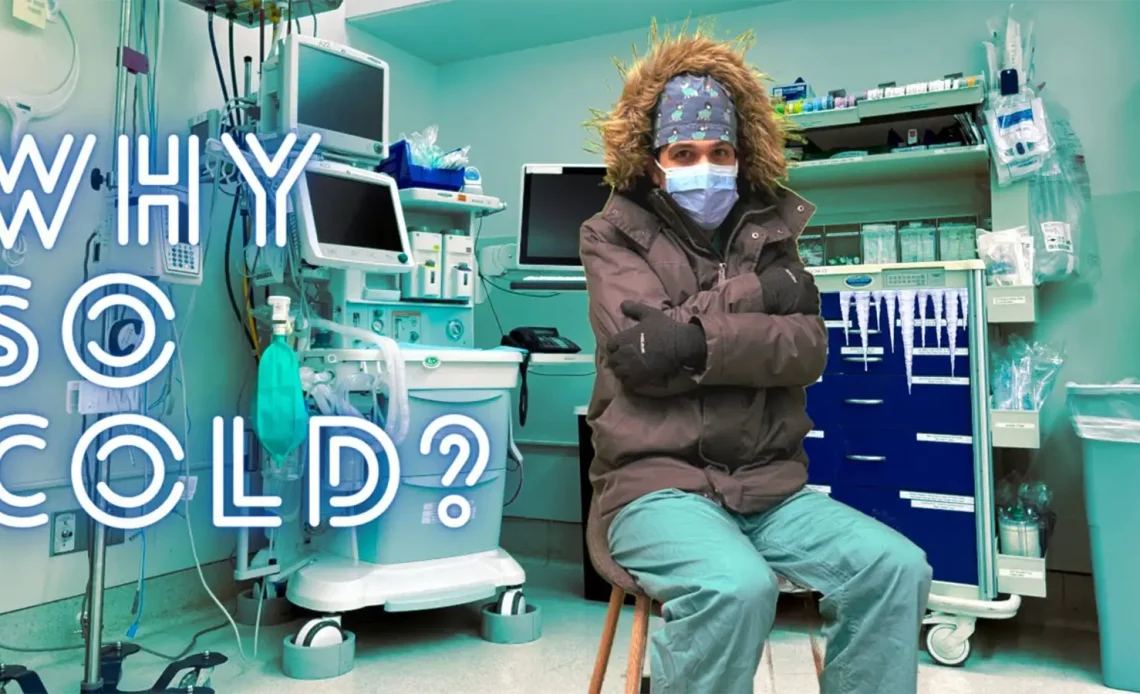
Why are hospitals cold even in the middle of summer? It is one of the most common questions patients and visitors ask the moment they walk through the doors. The chill is not an accident or a broken thermostat.
Hospitals keep their air cool on purpose, and the reasons range from bacteria control to equipment safety. In 2026, smart sensors and AI-driven climate systems make this cold environment even more precise than ever.
Quick Facts About Hospital Temperature
Here are a few numbers worth knowing before diving into the full explanation.
| Quick Fact | Detail |
|---|---|
| Standard patient room range | 70°F to 75°F |
| Operating room range | 68°F to 75°F |
| Governing US standard | ASHRAE Standard 170 |
| Humidity target range | 20% to 60% |
| Core body temp drop risk threshold | Below 36°C |
These figures form the foundation for almost every decision hospital engineers make about indoor climate.
The Real Reason Hospitals Feel So Cold
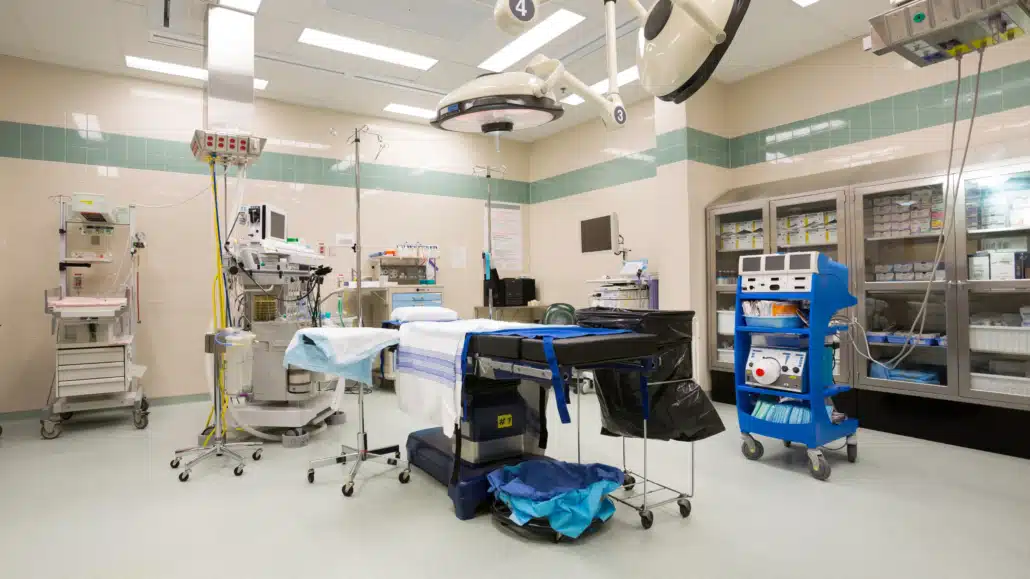
Hospitals are not cold by accident. Facility managers follow strict engineering standards that control temperature room by room.
The goal is simple: protect patients, support staff, and keep equipment running safely. Comfort is only one part of a much bigger picture.
Every hospital balances four things at once. These are infection control, staff performance, equipment accuracy, and patient safety.
Hospitals Use Cold Temperatures to Fight Bacteria and Viruses
Bacteria and viruses grow fastest in warm, moist environments. Lowering the temperature slows down this growth significantly.
This is the same logic used in food safety. Refrigeration keeps food fresh by slowing bacterial activity, and hospitals apply the exact same principle to patient care areas.
Cooler air also limits how far airborne particles can travel. This matters most in areas with patients who have weak immune systems or open wounds.
Hospitals are essentially using temperature as a low-cost, always-on infection control tool. It works quietly in the background of every single room.
Studies on hospital-acquired infections consistently point to environmental controls as a key prevention layer. Temperature is one of the easiest variables to manage at scale across a large facility.
This is why you rarely see a hospital lobby running warm, even on the coldest winter days. Consistency matters more than seasonal comfort.
A Brief History of How Hospitals Started Controlling Temperature
Hospital climate control was not always this advanced. Early hospitals relied on open windows and basic ventilation to manage airflow.
The discovery of germ theory in the 1800s changed everything. Doctors realized that environment played a direct role in spreading infection between patients.
By the mid-1900s, mechanical air conditioning became standard in surgical suites. This shift dramatically reduced post-surgical infection rates across the industry.
Modern building codes now require specific HVAC standards for every new hospital construction project. What started as a guess has become precise engineering.
Operating Rooms Are the Coldest Place in Any Hospital
If you have ever wondered why are hospitals cold near the surgery wing specifically, the answer lies in strict regulatory limits. Operating rooms follow the tightest temperature rules in the entire building.
The American Society of Heating, Refrigerating and Air-Conditioning Engineers, known as ASHRAE, sets the benchmark. Standard 170 defines exact temperature and humidity ranges for every clinical space.
Surgical teams wear multiple layers including scrubs, gowns, caps, and sometimes lead aprons. Cooler air prevents overheating during long procedures.
| Room Type | Temperature Range (ASHRAE 170) | Humidity Range |
|---|---|---|
| Operating Room | 68°F to 75°F (20°C to 24°C) | 20% to 60% |
| ICU | 70°F to 75°F | 30% to 60% |
| General Patient Room | 70°F to 75°F | 30% to 60% |
| MRI / Imaging Room | 64°F to 68°F | 40% to 50% |
| Laboratory | 68°F to 72°F | 30% to 50% |
| Burn Treatment Unit | 80°F to 85°F | 40% to 60% |
Surgeons sometimes request even lower temperatures for long or complex procedures. Cardiac surgery teams, for example, often prefer the lower end of the ASHRAE range.
Regulators like the Joint Commission and CMS check compliance with these ranges during inspections. Falling outside the approved window can trigger a safety deficiency report.
How Hospital Temperatures Compare Around the World
Temperature standards are not identical everywhere. Climate, building codes, and national health guidelines all shape local hospital settings.
| Region | Typical Patient Room Range | Governing Guideline |
|---|---|---|
| United States | 70°F to 75°F | ASHRAE Standard 170 |
| Canada | 21°C to 24°C | Canada OHS Regulations |
| United Kingdom | 18°C to 22°C | NHS Health Building Notes |
| European Union | 20°C to 24°C | National health ministry codes |
| Australia | 21°C to 24°C | Australasian Health Facility Guidelines |
Despite regional differences, the underlying logic stays the same everywhere. Infection control and equipment safety always take priority over personal comfort preferences.
Cold Air Keeps Humidity and Condensation Under Control
Warm air holds more moisture than cold air. That extra moisture leads to condensation on walls, floors, and equipment.
Condensation is dangerous in two ways. It creates slippery floors that increase fall risk, and it allows bacteria to spread from one surface to another.
Cooler, drier air keeps sterile surfaces sterile for longer. This is critical in operating rooms where every open wound is exposed to the surrounding air.
Humidity control also protects sensitive electronics. High moisture can cause short circuits in monitors, scanners, and diagnostic machines.
Dry sterile supplies, including gauze and surgical packs, also depend on controlled humidity. Excess moisture can compromise packaging seals and shorten shelf life before items are even used.
Hospital Staff Need Cool Temperatures to Stay Focused
Doctors, nurses, and technicians are in constant motion during every shift. Lifting patients, moving equipment, and walking long hallways generates real body heat.
A warmer room would quickly become uncomfortable for someone working twelve-hour shifts. Cooler air helps staff stay alert and avoid heat exhaustion.
Sweating is also a safety concern in sterile environments. Excess perspiration increases the risk of contaminating a surgical field or a patient’s open wound.
Surgical lighting adds another layer of heat. Bright overhead lamps used during procedures raise the ambient temperature, so the air conditioning compensates by running cooler.
Medical Equipment Performs Better in Cooler Rooms
Hospitals rely on thousands of dollars worth of sensitive electronics every single day. Monitors, scanners, and lab analyzers all generate heat while running.
Cooler rooms prevent this equipment from overheating. Overheated machines can lose calibration accuracy or shut down entirely during critical moments.
MRI machines are especially temperature-sensitive. Their magnets and cooling systems require a controlled, cold environment to function correctly.
Diagnostic accuracy depends on stable conditions. A test result can be skewed if the equipment runs even slightly too warm.
Server rooms and data systems that support electronic health records also need cool, stable environments. Hospitals increasingly treat their IT infrastructure with the same temperature discipline as their medical devices.
Cold Temperatures Protect Medicines, Vaccines, and Blood Supplies
Hospitals store vaccines, insulin, antibiotics, and other temperature-sensitive drugs around the clock. Heat speeds up the breakdown of these medications.
Cooler storage rooms and refrigerated units extend the shelf life of these supplies. This protects both patient safety and hospital budgets.
Blood and tissue used for transfusions and transplants require similarly strict temperature control. Even small fluctuations can compromise their usability.
Pharmaceutical monitoring systems track these temperatures continuously. Any deviation triggers an alert so staff can respond before damage occurs.
Why Some Rooms Are Colder Than Others
Not every part of a hospital is kept at the same temperature. Each department has its own purpose-driven climate settings.
A maternity ward, for instance, often runs slightly warmer to keep newborns comfortable. A laboratory, by contrast, stays cooler to protect sensitive samples and reagents.
| Department | Typical Feel | Main Reason for Setting |
|---|---|---|
| Emergency Room | Cold | High traffic, infection control, fast patient turnover |
| Operating Room | Coldest | ASHRAE compliance, staff comfort, infection prevention |
| ICU | Cool | Equipment sensitivity, patient monitoring accuracy |
| Burn Unit | Warm | Patient skin and moisture needs |
| Maternity Ward | Mild | Newborn comfort and thermoregulation |
| Waiting Areas | Cool to Mild | General comfort with moderate infection control |
This variation explains why a patient might feel freezing in one hallway and notice a warmer room just a few doors down.
How Smart Temperature Technology Is Changing Hospitals in 2026
Hospital climate control has become far more advanced in recent years. Many facilities now use AI-driven monitoring systems instead of manual thermostats.
Smart sensors track temperature and humidity in real time across every department. These systems automatically adjust airflow without waiting for staff intervention.
Industry research shows hospital temperature monitoring technology is growing rapidly heading into 2026 and beyond, driven largely by IoT-based and non-contact sensor adoption.
Non-contact infrared monitors, wearable patches, and cloud-connected dashboards are becoming standard in newer facilities. These tools catch unsafe temperature swings before they ever affect a patient.
This shift also supports better infection control compliance. Automated systems leave a digital record that hospitals can use during safety audits.
For patients, this means more consistent conditions across the entire building. The cold you feel today is more precisely engineered than it was even five years ago.
Market research projects continued growth in this space through the rest of the decade. More hospitals are expected to adopt non-contact and wearable sensors as costs continue to fall.
What Happens When Hospital Temperature Control Fails
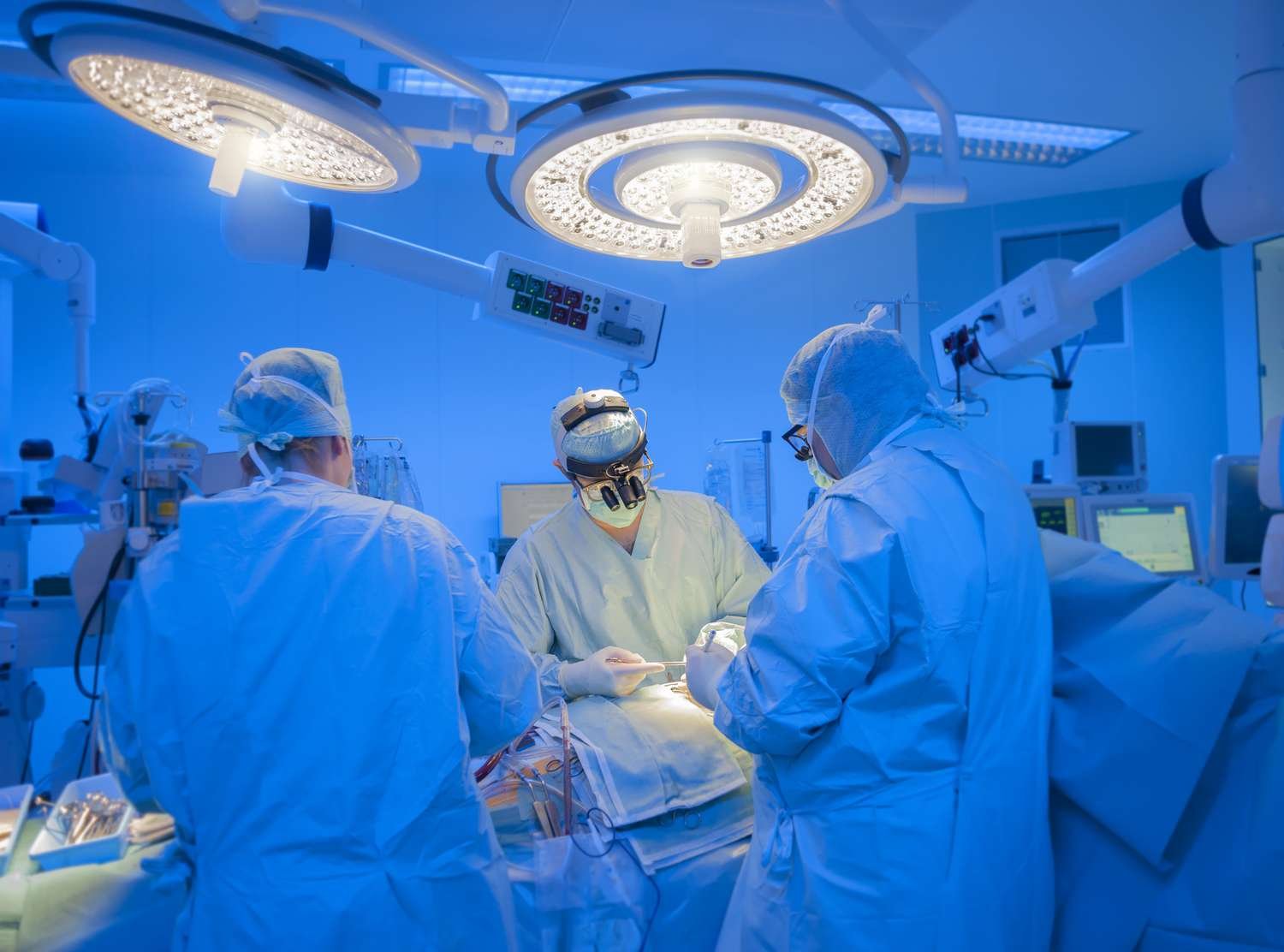
Temperature failures are rare, but they carry serious consequences when they happen. A spike in operating room temperature can increase infection risk almost immediately.
Equipment malfunctions are another concern. MRI machines and lab analyzers can produce inaccurate results if their environment drifts outside approved limits.
Older hospital buildings undergoing renovation face the biggest challenges. Outdated HVAC systems without proper ductwork make consistent temperature control much harder to achieve.
Facility teams typically have backup protocols for these situations. Portable cooling units and temporary monitoring devices help maintain safety until permanent repairs are complete.
Hospitals also run regular drills to test how quickly staff can respond to a temperature failure. This preparation keeps patient risk low even when equipment occasionally fails.
Insurance and accreditation requirements often mandate this level of preparedness. A documented response plan is now considered a standard part of hospital risk management.
Even with these safeguards, no system is completely failure-proof. That is exactly why layered protocols, trained staff, and modern monitoring tools all work together rather than relying on any single safeguard alone.
The Patient Experience: Why You Feel So Cold During a Hospital Visit
Patients almost always feel colder than staff members in the same room. There are real physiological reasons behind this difference.
Hospital gowns are thin and open at the back for medical access. This design offers far less insulation than regular clothing.
Patients are also often inactive, lying in a bed or sitting in a wheelchair. Staff members, by contrast, are constantly moving and generating body heat.
Certain medical situations make this worse. An IV drip, blood transfusion, or anesthesia can all lower body temperature temporarily.
Hidden Health Reasons Cold Hospitals Help Certain Patients
Cold air is not only about infection control. Some patients actually benefit medically from cooler surroundings.
Patients with fevers often feel some relief in cooler rooms. The ambient temperature helps manage their elevated body heat naturally.
Cold therapy is also used intentionally in certain treatments. It can help reduce inflammation, swelling, and localized pain.
Heart and circulation patients sometimes struggle to regulate body temperature on their own. A cooler, stable environment removes one variable from their recovery.
The Psychology Behind Why Cold Feels Worse in a Hospital
Stress and anxiety can actually make people feel colder than they really are. Hospitals are inherently stressful places for most visitors and patients.
When the body senses stress, blood flow shifts away from the skin toward vital organs. This natural response makes hands, feet, and skin feel chillier than usual.
Unfamiliar surroundings also heighten sensitivity to small discomforts. A temperature that might go unnoticed at home feels far more noticeable in a hospital bed.
Lighting, noise, and the smell of antiseptic all add to this heightened awareness. Cold becomes just one more sensation competing for attention during an already overwhelming visit.
How Hospitals Monitor and Test Temperature Every Day
Hospitals do not simply set a thermostat once and forget it. Facility teams check temperature and humidity readings multiple times per day in critical areas.
Building Management Systems automate much of this process now. Sensors feed live data into a central dashboard that engineers monitor around the clock.
Any reading outside the approved range triggers an automatic alert. Staff can then investigate and correct the issue before it affects patient care.
Compliance logs are also kept for audits and inspections. Regulatory bodies often request historical temperature data during accreditation reviews.
7 Practical Ways to Stay Warm During a Hospital Visit
You cannot control the hospital thermostat, but you can prepare in advance. A few simple steps make a noticeable difference.
| Tip | Why It Helps |
|---|---|
| Wear soft layers | Easy to add or remove around IV lines |
| Bring warm socks | Feet lose heat quickly on cold floors |
| Ask for heated blankets | Many hospitals offer warmed blankets on request |
| Drink warm fluids | Hot tea or water raises body temperature slightly |
| Request a room check | Some rooms have individual thermostat control |
| Bring a shawl or wrap | Easy to drape over medical equipment |
| Move when possible | Light movement generates natural body heat |
Hospital staff are usually happy to help once you ask. Most facilities keep extra blankets, socks, and warming devices on hand specifically for this reason.
Myths About Cold Hospitals You Should Stop Believing
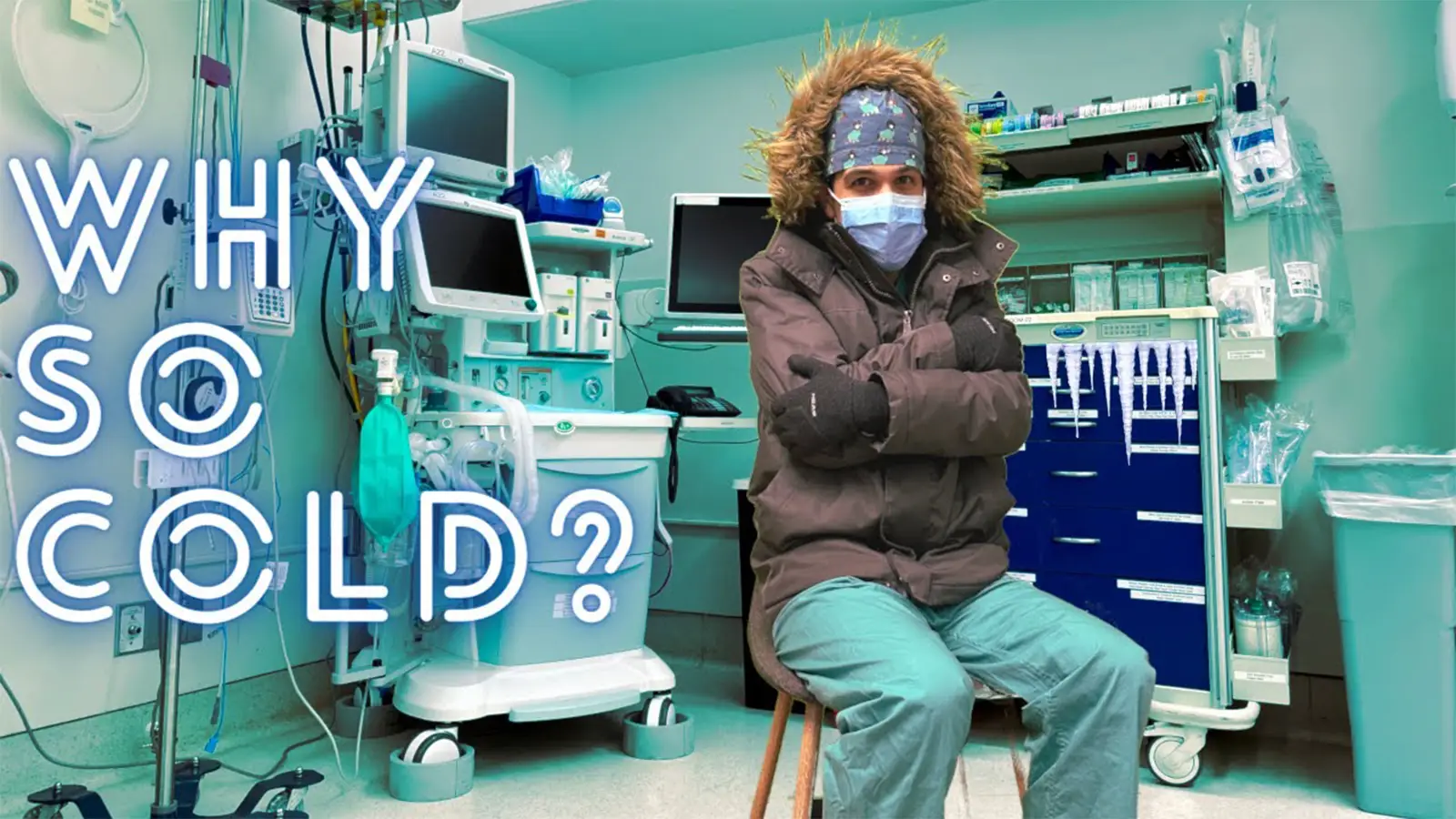
A few persistent myths surround hospital temperatures. It helps to separate fact from assumption.
Myth one claims hospitals stay cold purely to save money on heating costs. This is false, since patient safety standards always come before cost-cutting.
Myth two claims the cold is simply a broken or neglected HVAC system. In reality, hospital climate control is one of the most tightly regulated systems in the building.
Myth three assumes every room in a hospital is the same temperature. As shown earlier, temperature settings vary widely depending on the department and its clinical purpose.
Myth four assumes patients have no control over the temperature at all. In reality, most facilities allow reasonable requests for blankets, socks, or minor thermostat adjustments.
Myth five suggests cold hospitals are unique to certain countries or older buildings. In practice, the same core standards apply across modern hospitals worldwide, regardless of climate or location.
Frequently Asked Questions (FAQs)
Why are hospitals cold instead of comfortably warm?
Cold air slows bacterial and viral growth, protects equipment, and helps staff avoid overheating during long shifts. It is a deliberate safety choice, not an oversight.
What temperature do hospitals typically keep patient rooms at?
Most patient rooms stay between 70°F and 75°F, following general ASHRAE healthcare facility guidelines. Specialty units like burn wards may run warmer.
Why are operating rooms colder than regular patient rooms?
Surgical teams wear heavy protective layers, so cooler air prevents overheating and reduces sweat-related contamination risks. ASHRAE Standard 170 also mandates the exact range.
Do cold temperatures actually stop bacteria from growing?
Cold air does not kill bacteria, but it significantly slows their growth and reproduction rate. Combined with humidity control, it limits how far germs spread.
Why do nurses and doctors seem comfortable while patients feel freezing?
Staff are constantly active and wear layered clothing, while patients often sit still in thin hospital gowns. Reduced movement makes the same room feel much colder.
Can I ask hospital staff to adjust my room temperature?
Yes, many patient rooms have individual thermostats, and staff can also provide extra blankets on request. It never hurts to simply ask.
Why do hospitals give thin blankets instead of thick warm ones?
Thin blankets are easier to sanitize quickly and allow staff fast access during emergencies or monitoring checks. Heated blanket warmers are often available for extra comfort.
Is feeling cold in a hospital actually unsafe for patients?
Mild cold is generally safe, but staff actively prevent dangerous drops in body temperature, especially during surgery. Warming devices are used whenever a real risk appears.
Why are ICUs and emergency rooms kept especially cold?
These areas handle high patient turnover and sensitive equipment, so strict temperature control reduces infection and malfunction risks. Constant traffic also raises overall infection exposure.
Will hospitals get even colder with new technology by 2026?
Not colder, but more precise. AI-driven sensors and IoT monitoring are making temperature control more accurate and consistent across every department in 2026.
Conclusion
So why are hospitals cold? The answer comes down to science, not neglect. Cold air slows bacterial growth, protects sensitive equipment, preserves medication, and keeps busy staff comfortable during demanding shifts.
Operating rooms stay coldest because ASHRAE standards demand it, while other departments like burn units run warmer based on patient needs. In 2026, smart sensors and AI-driven monitoring are making this climate control more precise than ever before.
The next time you shiver in a waiting room, remember it is a carefully engineered safety feature, not a mistake. Pack a warm layer, ask staff for a blanket, and know that the chill is working quietly to protect everyone in the building, including you.


