


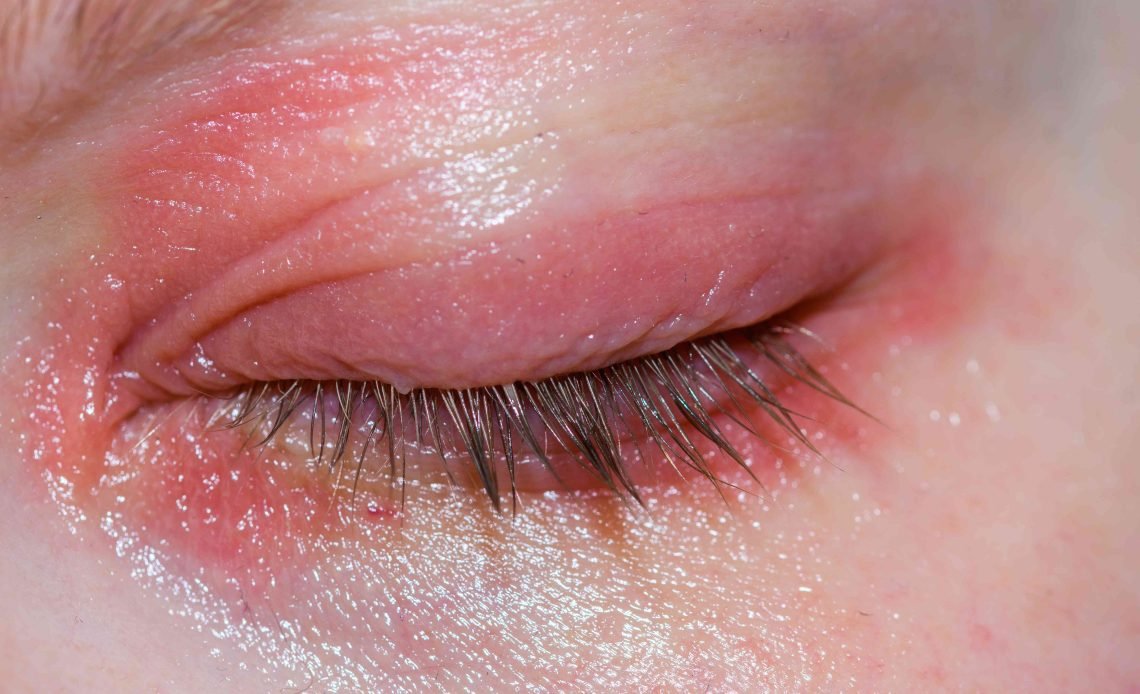
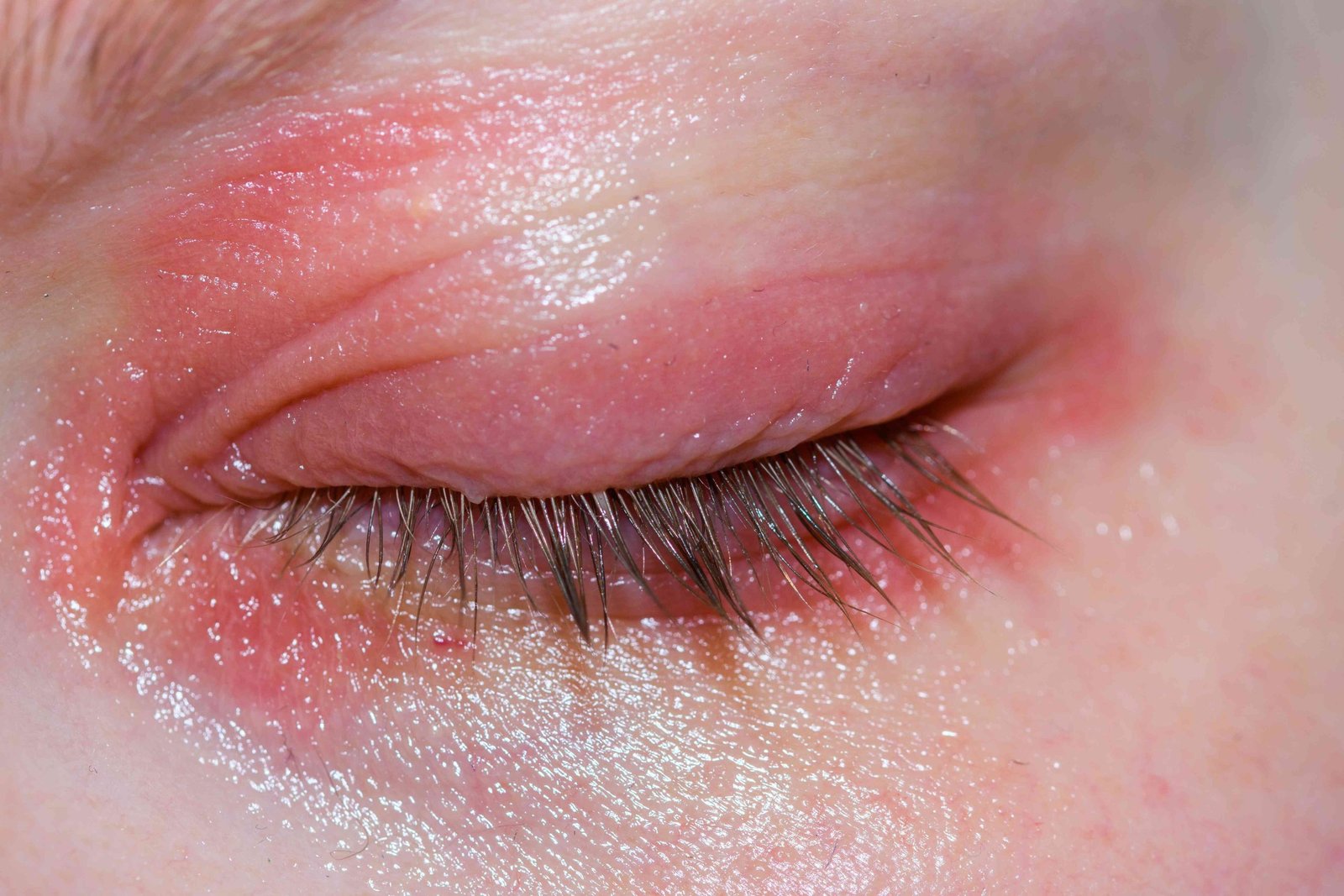
Why are my eyelids red? If you have been noticing redness, puffiness, itching, or irritation on your eyelids, you are far from alone.
Red eyelids are one of the most common eye complaints seen by optometrists and dermatologists worldwide.
The causes range from everyday irritants and allergies to chronic skin conditions and infections that need proper treatment.
In most cases the redness is temporary and manageable at home. But sometimes it signals something that needs medical attention.
What Do Red Eyelids Actually Mean?
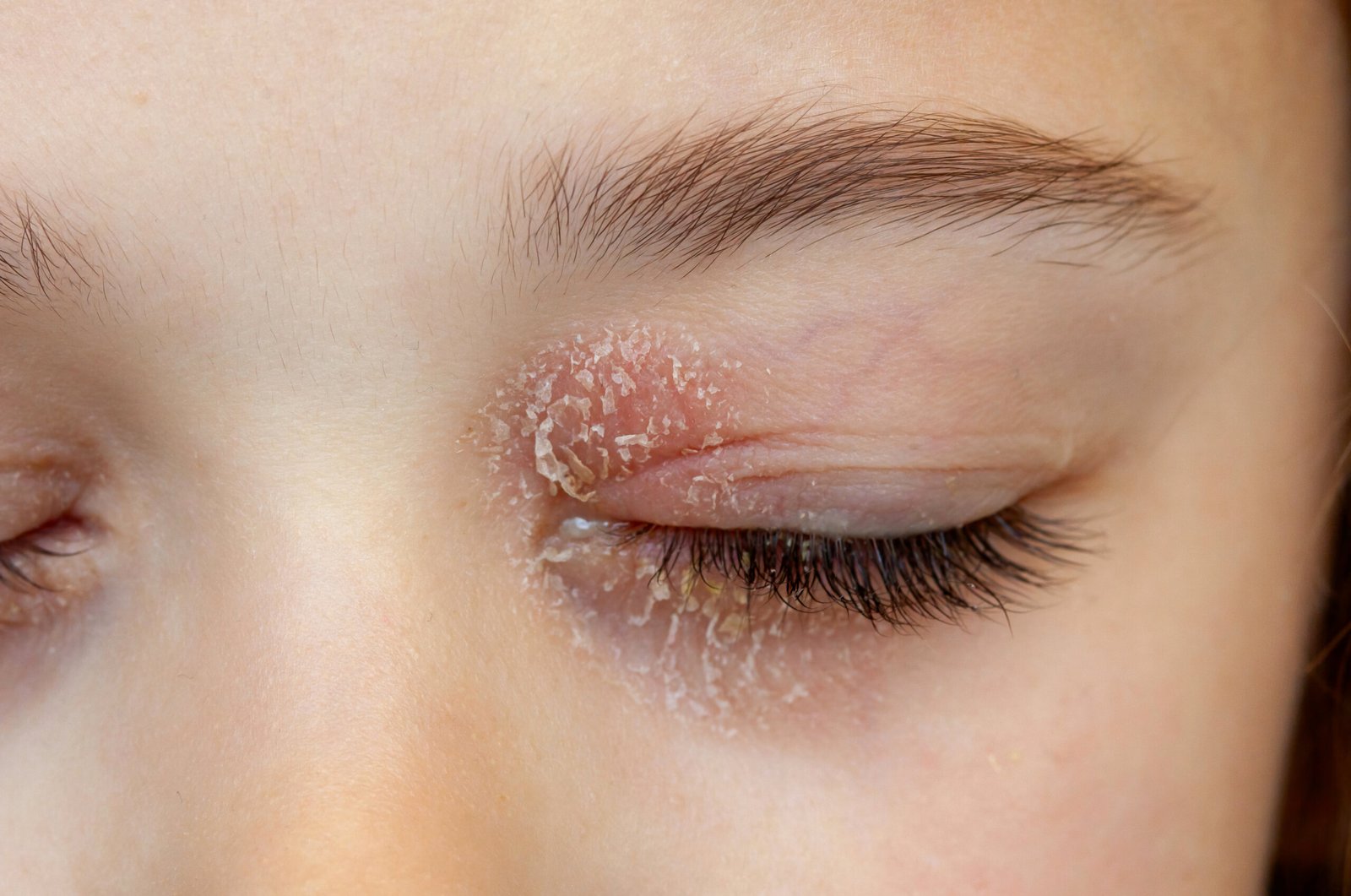
Red eyelids occur when the delicate skin around the eye becomes inflamed, irritated, or infected. The eyelid skin is among the thinnest on the entire body — roughly 0.5 mm thick. This makes it especially reactive to allergens, bacteria, environmental triggers, and skincare products.
Redness can appear on the upper eyelid, lower eyelid, along the lash line, or all around the eye. The color, texture, and accompanying symptoms give important clues about what is causing it.
Upper vs. Lower Eyelid Redness
Both upper and lower eyelids can be affected, but the location sometimes points to the cause. Upper eyelid redness from rubbing or allergy tends to spread evenly. Redness specifically along the lash line — the eyelid margin — is more typical of blepharitis. Redness on the outer skin only, without affecting the eye itself, often points to contact dermatitis or eczema.
Top Causes of Red Eyelids
Here is a comprehensive breakdown of every major reason your eyelids may be red.
Blepharitis
Blepharitis is the single most common cause of red eyelids. It is a chronic inflammation of the eyelid margins — the edges where the lashes grow. The National Eye Institute describes it as making eyelids look red, swollen, irritated, and crusty.
It comes in two forms. Anterior blepharitis affects the outer front edge of the eyelid where lashes emerge, usually caused by bacteria (Staphylococcus) or seborrheic dermatitis. Posterior blepharitis involves the inner eyelid edge and is caused by dysfunction of the meibomian glands — the tiny oil glands that keep the eyes lubricated.
Common symptoms include red eyelid margins, crusting or flaking at the lash base, burning or gritty sensation, sticky eyelids in the morning, and excessive tearing or dry eyes.
Allergic Contact Dermatitis
Contact dermatitis occurs when the eyelid skin reacts to a substance it has touched or been exposed to. The reaction triggers inflammation, causing redness, swelling, itching, and sometimes scaling.
Common triggers include eye makeup (mascara, eyeliner, eyeshadow), nail polish (transferred when touching the eye), skincare products, hair products that drip onto the face, contact lens solution, eye drops, and environmental allergens like pollen, dust, and pet dander.
The tricky thing about contact dermatitis on the eyelids is that the triggering product is often not applied directly to the eyelid. Ingredients on the fingertips or in shampoo can reach the eye area easily.
Eyelid Eczema (Atopic Dermatitis)
Eyelid eczema — also called periocular dermatitis or eyelid dermatitis — is a skin condition causing chronic redness, dryness, flaking, and intense itching of the eyelid skin. About 15% of people with atopic eczema experience symptoms specifically on the eyelids.
The skin becomes red, thickened, and rough. Itching is usually severe, and scratching makes it significantly worse by damaging the skin barrier and introducing bacteria. Eczema flare-ups are often triggered by stress, dry weather, certain skincare products, and allergen exposure.
Stye (Hordeolum)
A stye is a painful, red lump at the edge of the eyelid caused by a bacterial infection of the eyelash follicle or an oil gland (meibomian gland). It looks like a small red pimple or boil on the eyelid margin. The surrounding eyelid often becomes red and swollen too.
Styes are very common and usually resolve within 1 to 2 weeks with warm compress treatment. They are more frequent in people who already have blepharitis. Most styes are caused by Staphylococcus aureus bacteria.
Chalazion
A chalazion is a blocked meibomian gland that forms a firm, painless bump on the eyelid. Unlike a stye, chalazia are not infections — they are sterile blockages. However, if a chalazion becomes infected, the eyelid can become significantly red, swollen, and tender.
Larger chalazia can press on the eye and cause temporary blurred vision. Most resolve on their own within a few weeks with warm compresses, but persistent ones may need a minor surgical procedure.
Ocular Rosacea
Rosacea is a chronic skin condition that causes facial flushing, visible blood vessels, and skin redness. When rosacea affects the eyes — known as ocular rosacea — it causes red, burning, and irritated eyelids. The eyelid margins become visibly red, and small dilated capillaries (telangiectasias) may be visible on the lids.
Ocular rosacea is frequently mistaken for blepharitis because the symptoms overlap so much. Demodex mites — microscopic organisms that live in hair follicles — are closely associated with rosacea and rosacea-related blepharitis.
Seborrheic Dermatitis
Seborrheic dermatitis causes oily, flaky skin on areas rich in sebaceous glands — the scalp, face, eyebrows, nose folds, and eyelids. When it affects the eyelids, it produces redness, greasy flaking at the lash line, and a burning or itching sensation.
It is one of the most common triggers for blepharitis. People with seborrheic dermatitis often notice their eyelids are worse when scalp dandruff flares up, as the two conditions are closely connected.
Demodex Mite Overpopulation
Demodex mites are microscopic parasites that naturally live in hair follicles, including eyelash follicles. In small numbers they cause no harm. But when they overpopulate, they trigger significant eyelid inflammation, redness, itching, and irritation.
A key sign of Demodex infestation is collarettes — cylindrical, waxy debris wrapped around the base of individual eyelashes. This is considered a specific indicator of Demodex blepharitis. Demodex is more common in older adults and in people with rosacea.
Periorbital Cellulitis
Periorbital cellulitis — also called preseptal cellulitis — is a bacterial skin infection of the tissue around the eye, not inside the eye socket. It causes significant redness, swelling, and warmth of the eyelid, often following a stye, insect bite, or skin injury near the eye.
This condition requires prompt antibiotic treatment. Unlike a stye or chalazion, periorbital cellulitis is associated with fever, the skin feeling warm to the touch, and redness spreading beyond just the eyelid margin. It should always be evaluated by a doctor.
Conjunctivitis (Pink Eye)
Conjunctivitis — inflammation of the clear membrane covering the white of the eye — often causes both the eye and the eyelid to appear red. Bacterial conjunctivitis produces yellow or green discharge. Viral conjunctivitis produces watery discharge and is often associated with a cold or respiratory infection.
Allergic conjunctivitis produces intense itching and clear, watery discharge. Eyelid redness in conjunctivitis is usually accompanied by red whites of the eyes, discharge, and sometimes crusting of the lashes overnight.
Dry Eyes and Meibomian Gland Dysfunction
Dry eyes and meibomian gland dysfunction (MGD) are closely linked to red eyelids. When the meibomian glands do not produce healthy oil, the tear film becomes unstable. This leads to chronic dryness, eye irritation, and visible redness along the eyelid margins.
MGD is extremely common, especially in contact lens wearers, people who spend long hours on screens, and those in dry environments. It is considered a leading cause of posterior blepharitis.
Allergic Reaction to Eye Makeup or Products
Eye makeup is one of the most common culprits for sudden eyelid redness. Mascara, eyeliner, eye shadow, glitter, lash glue, and false lash adhesives all contain preservatives, dyes, and chemicals that can trigger allergic or irritant reactions. Using expired makeup significantly increases the risk.
Products applied elsewhere can also cause problems. Shampoo, conditioner, facial cleanser, sunscreen, and hair spray can all reach the eye area during application or while sleeping.
Psoriasis of the Eyelid
Psoriasis occasionally affects the eyelids, producing red, thick, silvery-scaled patches on the eyelid skin. Eyelid psoriasis is less common than psoriasis on other body parts but can cause significant discomfort due to the sensitivity of the eyelid skin. Treatment requires specialist guidance as many standard psoriasis treatments are too harsh for the periocular area.
Crying and Eye Rubbing
Simple physical causes — crying or rubbing the eyes — cause temporary redness, swelling, and puffiness. When you cry, increased blood flow and fluid retention cause the eyelids to swell and redden. Rubbing the eyes disrupts the delicate skin barrier, introduces bacteria from the hands, and can temporarily dilate blood vessels, making redness worse.
Comparing Common Causes of Red Eyelids
| Cause | Main Location | Key Symptom | Contagious? |
|---|---|---|---|
| Blepharitis | Lash margin | Crusting, flaking | No |
| Contact dermatitis | Eyelid skin | Itching, scaling | No |
| Eyelid eczema | Eyelid skin | Dryness, thickening | No |
| Stye | Lash base / gland | Painful red lump | Mildly |
| Chalazion | Mid-eyelid | Firm painless bump | No |
| Ocular rosacea | Lid margin, skin | Burning, flushing | No |
| Demodex blepharitis | Lash follicles | Collarettes at lash base | No |
| Conjunctivitis | Conjunctiva + eyelid | Discharge, red whites | Yes (viral/bacterial) |
| Periorbital cellulitis | Whole eyelid | Warm, swollen, fever | No |
| Seborrheic dermatitis | Lash margin, lid skin | Greasy flakes | No |
Red Eyelid Symptoms and What They Tell You
Pay attention to how your redness presents. The pattern of symptoms helps narrow down the cause quickly.
| Symptom Pattern | Likely Cause |
|---|---|
| Red lash margin + morning crusting | Blepharitis |
| Red, scaly, itchy eyelid skin | Contact dermatitis or eczema |
| Red + painful pimple-like bump | Stye |
| Red + firm painless bump | Chalazion (infected) |
| Red + red whites of eyes + discharge | Conjunctivitis |
| Red + warm + swollen whole eyelid + fever | Periorbital cellulitis |
| Red + flushed face + dilated skin capillaries | Ocular rosacea |
| Red + waxy debris at lash base | Demodex mite blepharitis |
| Red + greasy flakes + dandruff | Seborrheic dermatitis |
| Sudden red + recent new product use | Allergic contact dermatitis |
How to Fix Red Eyelids: Treatments That Work
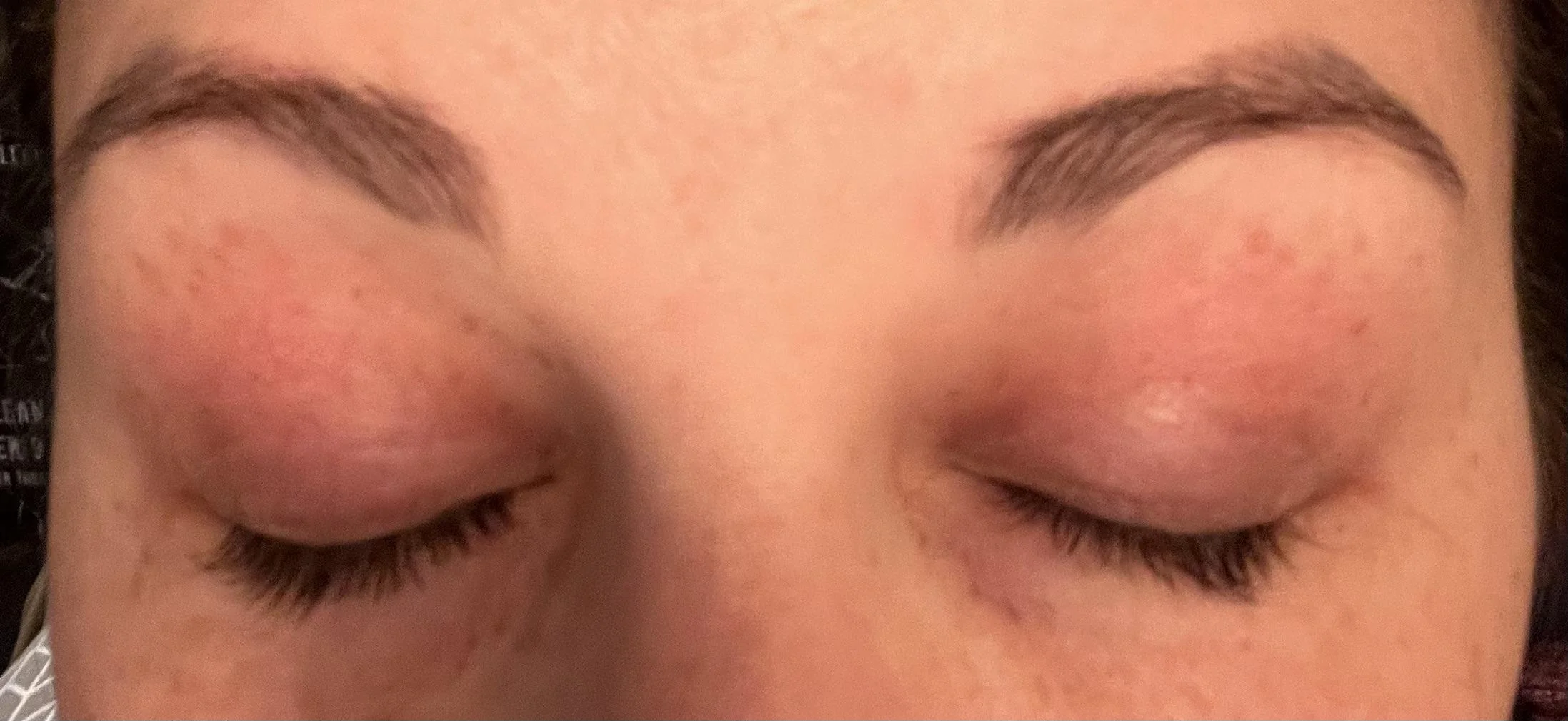
Warm Compresses
Warm compresses are the first-line treatment for most eyelid redness, especially blepharitis, styes, and chalazia. The heat softens the oils in the meibomian glands, loosens crusts, and promotes drainage.
Use a clean warm flannel or heat mask placed gently over the closed eyelids for 5 to 10 minutes, two to four times daily. For styes specifically, regular warm compresses speed up resolution and reduce the need for medical treatment.
Eyelid Scrubs and Daily Lid Hygiene
Keeping the eyelid margins clean is essential for managing blepharitis, seborrheic dermatitis, and Demodex. Use a diluted baby shampoo, hypochlorous acid cleanser, or commercial eyelid wipes to gently cleanse the lash line daily.
The American Academy of Ophthalmology recommends using diluted baby shampoo on a cotton ball or soft cloth to gently scrub the base of the lashes. This removes bacteria, excess oil, crust, and mite debris. Once the condition is under control, daily cleaning helps prevent recurrence.
Antibiotic Eye Drops or Ointments
Bacterial blepharitis, infected styes, and periorbital cellulitis all require antibiotic treatment. Your doctor may prescribe antibiotic eye ointment applied along the lash line, antibiotic eye drops for associated conjunctivitis, or oral antibiotics for more widespread infection like cellulitis.
Never use leftover or expired antibiotic drops without a current prescription from your doctor.
Steroid Eye Drops or Ointments
For significant inflammation from blepharitis, contact dermatitis, or eczema flare-ups, your doctor may prescribe a mild topical corticosteroid. These reduce inflammation quickly but must be used carefully around the eyes, as long-term steroid use near the eye carries risks including glaucoma and cataracts.
Always follow the prescribed duration — never use steroid drops or creams beyond the recommended course without medical guidance.
Antihistamine Eye Drops and Oral Antihistamines
For allergic causes — including allergic conjunctivitis and contact dermatitis — antihistamine eye drops (like ketotifen or olopatadine) relieve itching and reduce redness effectively. Oral antihistamines are useful when eyelid redness is part of a broader allergic response — hay fever, pet allergy, or dust mite allergy.
Avoiding and Identifying Triggers
For contact dermatitis and eczema, identifying and eliminating the trigger is essential. Stop using all new products introduced in the weeks before the redness started. Patch testing with a dermatologist can identify specific allergens. Switch to fragrance-free, preservative-free, hypoallergenic products.
Moisturizing the Eyelid Skin
Eczema and contact dermatitis respond well to regular gentle moisturizing. Apply a fragrance-free, hypoallergenic emollient to the eyelid skin immediately after washing while the skin is still slightly damp. Use only products specifically approved for use near the eye area.
Tea Tree Oil Treatments (Demodex)
For Demodex blepharitis, diluted tea tree oil applied by an eye doctor or using commercial pre-formulated eyelid products containing 4-terpineol (tea tree oil derivative) can reduce mite populations. Do not apply undiluted tea tree oil to the eyelids — it is a skin irritant at full strength. A prescription treatment — lotilaner (Xdemvy) — is now also available specifically for Demodex blepharitis.
LipiFlow and In-Office Treatments
For chronic posterior blepharitis driven by meibomian gland dysfunction, in-office procedures can provide significant relief. LipiFlow is a thermal pulsation device that heats and massages the eyelids to express blocked gland contents. Intense pulsed light (IPL) therapy is another option for rosacea-related blepharitis. These procedures are performed by ophthalmologists.
Cold Compresses for Allergy Relief
For allergic reactions causing redness and puffiness, a clean cold compress or chilled eye mask reduces swelling and calms itching quickly. Apply for 5 to 10 minutes at a time. Cold compresses do not treat the underlying cause but provide immediate symptom relief.
Products and Ingredients That Commonly Cause Red Eyelids
| Product Category | Typical Triggers |
|---|---|
| Eye makeup | Preservatives, fragrances, dyes in mascara/eyeliner |
| False lash adhesive | Formaldehyde, cyanoacrylate, latex |
| Contact lens solution | Thimerosal, EDTA, benzalkonium chloride |
| Facial moisturizers | Fragrances, retinoids, alpha-hydroxy acids |
| Shampoo / conditioner | Surfactants, fragrances |
| Nail products | Acrylates (transferred to eyes by touching) |
| Sunscreen | Chemical UV filters, fragrance |
| Eye drops | Preservatives like benzalkonium chloride |
Switching to preservative-free, fragrance-free products is the first practical step when contact dermatitis is suspected.
Red Eyelids in Children vs. Adults
Children and adults share many of the same causes for red eyelids, but there are some key differences.
In children, the most common causes are allergic reactions (atopic eczema, hay fever), conjunctivitis (highly contagious in school settings), and styes. Periorbital cellulitis also needs to be taken seriously in children and treated promptly.
In adults, blepharitis, contact dermatitis from cosmetics, meibomian gland dysfunction, and rosacea become increasingly common. Screen time and contact lens wear add to eyelid redness in working-age adults. Older adults are more likely to have chronic blepharitis and Demodex mite-related eyelid disease.
When Red Eyelids Need Urgent Medical Attention
Most red eyelid conditions are manageable and not dangerous. However, see a doctor urgently — the same day — if you notice any of the following:
- Significant swelling and redness spreading across the whole eyelid with warmth (possible periorbital cellulitis)
- Fever alongside eyelid redness and swelling
- Vision changes — blurred vision or double vision alongside eyelid redness
- Pain inside the eye rather than just on the surface
- Redness after an eye injury or foreign object in the eye
- The eyelid cannot close or open properly
- Rapidly worsening symptoms over hours
These signs may indicate periorbital or orbital cellulitis, herpes zoster ophthalmicus, or another condition that can become sight-threatening without fast treatment.
Home Remedies for Red Eyelids: What Helps and What to Avoid
| Home Approach | Safe and Effective? | Notes |
|---|---|---|
| Warm compress | Yes | Best for blepharitis, styes, chalazia |
| Cold compress | Yes | Best for allergy redness and puffiness |
| Baby shampoo lid scrub | Yes | Gentle daily lid hygiene for blepharitis |
| Fragrance-free moisturizer | Yes | For eczema/dermatitis only |
| Cucumber slices | Temporary only | Mild cooling, no therapeutic effect |
| Raw honey (manuka) | With caution | Some evidence for antimicrobial use, not proven |
| Undiluted tea tree oil | No | Irritant — can damage eyelid skin |
| Hydrocortisone cream (OTC) | With caution | Short-term only, avoid near eye opening |
| Castor oil | Not recommended | No clinical evidence; can enter eye |
| Rubbing or scratching | No | Worsens the skin barrier and spreads bacteria |
How Lifestyle Habits Contribute to Red Eyelids
Not Removing Eye Makeup Properly
Sleeping in eye makeup — especially mascara and eyeliner — blocks the meibomian glands, introduces bacteria at the lash line, and is one of the most preventable causes of blepharitis and chronic eyelid redness.
Always remove eye makeup thoroughly using a gentle, oil-based or micellar cleanser before sleeping. Avoid rubbing — use a soft cotton pad and let the cleanser dissolve the product.
High Screen Time
Prolonged screen use reduces blinking frequency. Normal blink rate is 15 to 20 times per minute, but screen users blink as few as 5 to 7 times per minute. This reduces tear film quality, allows the eyes to dry out, and contributes to meibomian gland dysfunction and eyelid redness over time.
Follow the 20-20-20 rule, use screen glasses with anti-reflective coating, and take regular breaks.
Contact Lens Wear
Contact lens wearers have higher rates of blepharitis, dry eye, and eyelid inflammation. Lenses can harbor bacteria, reduce oxygen to the eye surface, and the solutions used to clean and store them can cause allergic or irritant reactions.
Replace lenses as directed, never sleep in lenses unless specifically designed for overnight wear, and switch to daily disposables if chronic eyelid irritation persists.
Diet and Hydration
Omega-3 fatty acids support meibomian gland function and help maintain healthy tear film oil quality. Diets low in omega-3s are associated with higher rates of dry eye and blepharitis. Staying well hydrated supports the overall moisture of the eye surface.
Include oily fish, flaxseed, walnuts, and chia seeds in your diet regularly. Some eye doctors recommend omega-3 supplements for patients with chronic blepharitis or MGD.
Prevention: How to Keep Your Eyelids from Getting Red
- Clean the eyelid margins daily with a gentle lid scrub if you are prone to blepharitis
- Remove all eye makeup thoroughly every night without fail
- Replace eye makeup every 3 months to prevent bacterial buildup
- Switch to fragrance-free, hypoallergenic products if you have sensitive skin
- Avoid touching your eyes with unwashed hands
- Take regular screen breaks and increase your blink rate consciously
- Keep contact lenses clean and replace them on schedule
- Use a humidifier in dry indoor environments
- Wear wraparound sunglasses outdoors to protect against wind, dust, and pollen
- Follow through with treating any underlying conditions like rosacea or seborrheic dermatitis
Frequently Asked Questions (FAQs)
Why are my eyelids red and itchy?
Red, itchy eyelids are most commonly caused by blepharitis, allergic contact dermatitis, or eyelid eczema. All three involve inflammation of the eyelid skin and usually improve with proper cleaning and avoiding irritant products.
Can eye makeup cause red eyelids?
Yes. Mascara, eyeliner, eyeshadow, lash glue, and eye primers all contain preservatives and dyes that can trigger allergic or irritant reactions. Expired makeup significantly increases this risk and should be replaced regularly.
Is blepharitis the same as red eyelids?
Blepharitis is one of the most common causes of red eyelids, but not the only one. It specifically involves inflammation of the eyelid margins and causes redness, crusting, and a gritty burning sensation.
Can screen time make my eyelids red?
Yes. Prolonged screen use reduces blinking, dries out the eye surface, and contributes to meibomian gland dysfunction — all of which lead to eyelid margin redness over time. Taking regular breaks and using the 20-20-20 rule helps significantly.
Should I see a doctor for red eyelids?
See a doctor if redness is severe, spreading, painful, associated with fever, affects your vision, or does not improve after a week of basic home care. These signs may indicate an infection or condition needing prescription treatment.
How do I treat red eyelids at home?
Apply a warm compress for 5 to 10 minutes two to four times daily, gently cleanse the lash line with diluted baby shampoo or eyelid wipes, and avoid touching or rubbing your eyes. Stop using any new products recently introduced near the eye area.
Can allergies cause red eyelids?
Yes. Seasonal allergies, pet dander, dust mites, and reactions to cosmetics or skincare products are all common causes of red, itchy, swollen eyelids. Antihistamine eye drops and avoiding the trigger provide relief.
Are red eyelids a sign of infection?
They can be. Bacterial blepharitis, styes, conjunctivitis, and periorbital cellulitis all cause red eyelids and involve infection. Significant swelling with warmth and fever strongly suggest infection and require same-day medical attention.
Can rosacea cause red eyelids?
Yes. Ocular rosacea causes chronic redness, burning, and irritation of the eyelids as part of the wider rosacea condition. It is often misidentified as simple blepharitis. Treatment targets both the skin and eyelid inflammation together.
How long does eyelid redness last?
It depends on the cause. Redness from crying or rubbing resolves within an hour. Allergy or mild dermatitis clears in days with treatment. Blepharitis is a chronic condition that requires ongoing management and may never fully go away, but symptoms become well controlled with consistent care.
Conclusion
Why are my eyelids red? The answer depends entirely on what is causing the inflammation.
The most common culprits are blepharitis, contact dermatitis, allergies, eczema, styes, and meibomian gland dysfunction — all very treatable conditions once properly identified. In most cases, red eyelids are not dangerous.
They are uncomfortable, sometimes chronic, but highly manageable with the right approach.
Start with the basics — warm compresses, gentle daily lid hygiene, and removing all makeup before sleep. Identify any new products that may have triggered a reaction and stop using them.
If symptoms persist beyond one week, worsen rapidly, or come with pain, fever, or vision changes, see a doctor promptly.
With consistent care and the right treatment, most people with red eyelids see significant improvement within days to weeks.
Understanding the root cause is the key — and now you have everything you need to identify it and fix it for good.


