


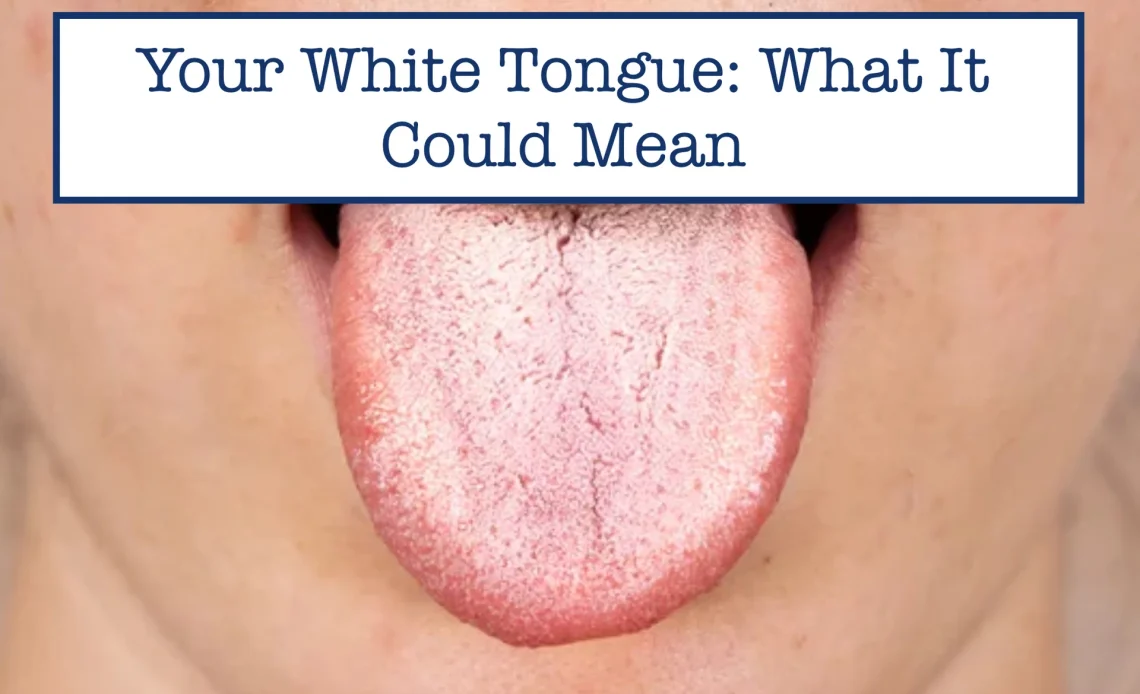
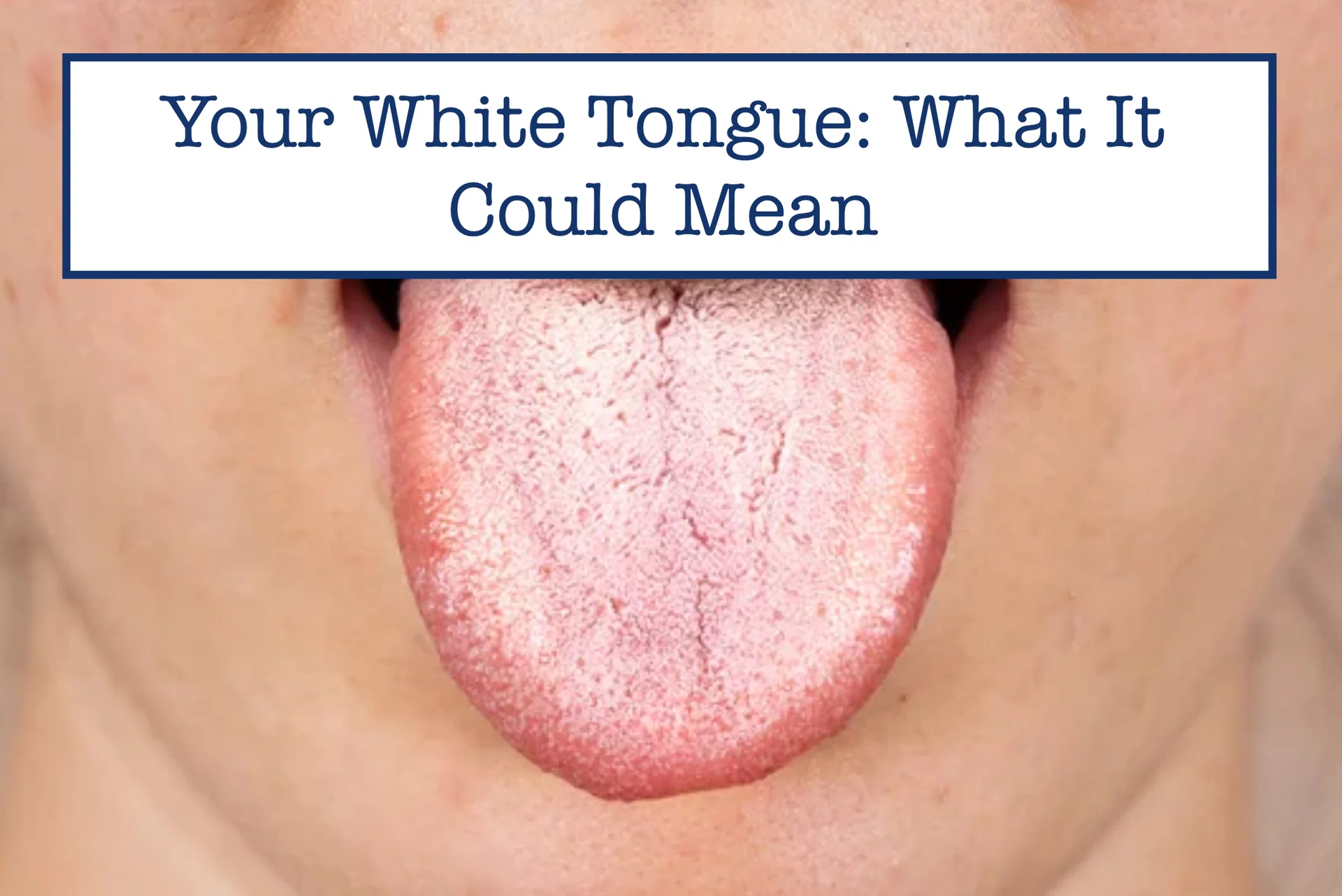
Why is my tongue white is one of the most common oral health questions of 2026, and the answer ranges from something as simple as not drinking enough water to a sign of a fungal infection or a precancerous condition that needs medical attention.
A healthy tongue is pink, moist, and covered with small bumps called papillae.
When it turns white — fully coated, patchy, or white only at the back — your body is signaling that something has changed.
What Actually Makes Your Tongue Turn White
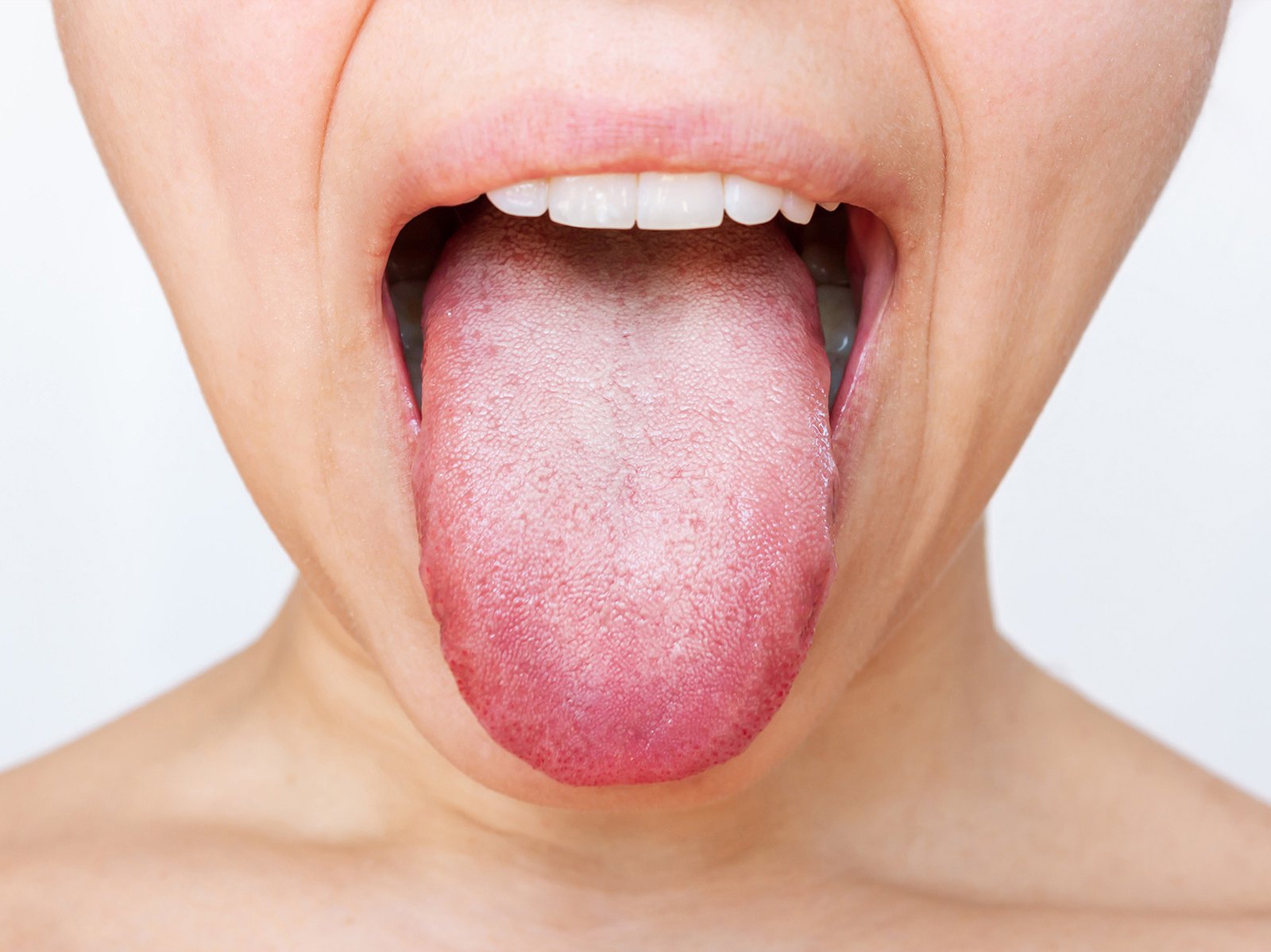
The surface of your tongue is covered with hundreds of tiny raised bumps called papillae. These papillae create a large, textured surface area — which is useful for tasting and gripping food, but also perfect for trapping debris.
When food particles, dead cells, and bacteria accumulate between swollen or inflamed papillae, they create a white or off-white coating across the tongue’s surface. The coating can be thin or thick, spread across the whole tongue or limited to patches, and range from barely noticeable to visually striking.
In most cases the cause is benign. But the location of the whiteness, whether it can be scraped off, and whether it is accompanied by pain or other symptoms all help determine how serious the situation is.
Is White Tongue Dangerous?
Most cases of white tongue are harmless and temporary. Improving hydration, brushing the tongue daily, and addressing lifestyle habits like smoking or alcohol use will clear up the majority of cases within one to two weeks.
However, some causes of white tongue are clinically significant. Oral thrush signals a fungal overgrowth that requires antifungal treatment. Leukoplakia is considered a potentially precancerous condition in some cases. Syphilis causes white patches in the mouth and requires antibiotic treatment.
The key questions are: how long has it been there, can it be wiped off, and does it come with pain, burning, difficulty swallowing, or other symptoms? Those details separate a minor hygiene issue from something that needs a clinician’s attention.
The 12 Most Common Causes of White Tongue
1. Poor Oral Hygiene
The number one cause of white tongue globally is simply not cleaning the tongue regularly. When teeth are brushed but the tongue is skipped, bacteria and food debris accumulate rapidly on the rough papillae surface.
This bacterial buildup creates a white-grey film that is also a major source of bad breath. The coating is soft, removable with a tongue scraper, and responds quickly to improved brushing habits.
Adding daily tongue brushing or scraping to your routine often clears this type of white coating within 24 to 48 hours.
2. Dehydration and Dry Mouth
Saliva plays a critical role in keeping the mouth clean. It washes away bacteria, food particles, and dead cells continuously throughout the day.
When you are dehydrated or experiencing dry mouth (xerostomia), saliva production drops. Without that continuous cleansing action, debris accumulates on the tongue’s surface more rapidly and the coating becomes more pronounced.
Dry mouth can be caused by dehydration, mouth breathing during sleep, certain medications, diabetes, or autoimmune conditions like Sjögren’s syndrome. Drinking 8 or more glasses of water daily is the first and simplest step.
3. Oral Thrush (Candida Infection)
Oral thrush is a fungal infection caused by the overgrowth of Candida albicans yeast — an organism that normally lives in the mouth in small amounts. When something disrupts the oral microbiome, Candida multiplies rapidly and creates thick, creamy white patches.
The defining characteristic of oral thrush is that wiping or scraping the patches reveals red, tender, sometimes bleeding tissue underneath. Unlike hygiene-related coating, thrush patches look more like cottage cheese deposits than a smooth film.
Oral thrush is most common in infants, elderly individuals, people taking antibiotics (which kill the good bacteria that keep Candida in check), people using inhaled corticosteroids, and those with weakened immune systems including HIV patients. Treatment involves antifungal medications such as nystatin, fluconazole, or clotrimazole lozenges prescribed by a doctor.
4. Leukoplakia
Leukoplakia is a condition where thick, white patches form on the tongue, inner cheeks, or gums. Unlike the soft coating of poor hygiene or thrush, leukoplakia patches are firm and cannot be scraped off.
The patches develop in response to chronic irritation — most commonly from tobacco use, heavy alcohol consumption, dentures that do not fit properly, or repeated cheek biting. They are considered potentially precancerous in some cases, meaning a small percentage can develop into oral cancer over time.
Any white patch that cannot be scraped away and has persisted for more than two weeks should be evaluated by a dentist or doctor. A biopsy may be recommended to assess the tissue.
5. Oral Lichen Planus
Oral lichen planus is a chronic inflammatory condition that affects the mucous membranes inside the mouth. It appears as white, lacy lines, patches, or network-like patterns on the tongue, inner cheeks, or gums — often described as resembling a cobweb.
The exact cause is related to immune system dysfunction — the body’s immune cells attack the cells lining the mouth. It is not contagious and is not caused by poor hygiene. It can cause burning, soreness, and sensitivity, especially when eating acidic or spicy foods.
Oral lichen planus is a chronic condition that may flare and remit over years. Mild cases are monitored. More severe or painful cases may be treated with corticosteroid mouthwashes or sprays.
6. Geographic Tongue
Geographic tongue gets its name from the map-like appearance it creates on the tongue’s surface. Irregular smooth patches — where papillae have been lost — appear reddish and are surrounded by white or pale borders.
The patches shift in shape and location over days or weeks, which can be alarming but is characteristic of the condition. Geographic tongue is benign — it has no risk of becoming cancerous — and affects roughly 1 to 3 percent of the population.
It is more common in people with psoriasis, eczema, Type 1 diabetes, and reactive arthritis. Most people with geographic tongue have no symptoms, though some experience sensitivity to spicy, hot, or acidic foods.
7. Smoking and Tobacco Use
Tobacco is a powerful oral irritant. Smoking, vaping, chewing tobacco, and dipping all irritate the tongue’s surface, dry out the mucous membranes, and disrupt the normal balance of bacteria in the mouth.
Long-term tobacco use leads to chronic tongue coating and can accelerate the development of both hairy tongue and leukoplakia. Smokers tend to have thicker, more persistent white coatings that resist simple hygiene measures.
Tobacco use is also a major risk factor for oral cancer, making any white patches in the mouth of a smoker something that should be evaluated by a dentist rather than assumed to be harmless.
8. Alcohol Use
Regular or heavy alcohol consumption dries out the mouth, disrupts the oral microbiome, and irritates the tongue’s surface tissues. Alcohol is also a known risk factor for leukoplakia and oral cancer, particularly in combination with tobacco.
Even moderate alcohol use can contribute to temporary tongue whitening by reducing saliva flow. Alcohol-based mouthwashes, despite being marketed for freshness, can worsen oral dryness and paradoxically contribute to white tongue when overused.
Switching to an alcohol-free mouthwash and reducing alcohol intake is often enough to reduce coating related to this cause.
9. Mouth Breathing
People who breathe through their mouth — especially during sleep — allow oral tissues to dry out significantly. Saliva evaporates, the protective cleansing action stops, and bacteria accumulate on the tongue more rapidly.
Mouth breathing is common in people with nasal congestion, enlarged tonsils or adenoids, sleep apnea, or allergies. Many people notice a thicker white coating on the tongue in the morning after a night of mouth breathing.
Addressing the underlying cause of mouth breathing — whether allergies, structural issues, or sleep apnea — is the most effective long-term solution. A humidifier in the bedroom and nasal strips can provide short-term relief.
10. Antibiotic Use and Medication Side Effects
Antibiotics kill bacteria indiscriminately — including the beneficial bacteria in your mouth that normally keep Candida yeast populations under control. After a course of antibiotics, oral thrush is a common consequence as Candida seizes the opportunity to overgrow.
Other medications can also trigger white tongue. Inhaled corticosteroids used for asthma can promote Candida growth in the mouth if the mouth is not rinsed after each use. Certain antidepressants, antihistamines, and blood pressure medications cause dry mouth as a side effect, which then creates the conditions for bacterial buildup.
If your white tongue began during or shortly after a course of antibiotics or a new medication, that timing is a strong diagnostic clue.
11. Nutritional Deficiencies
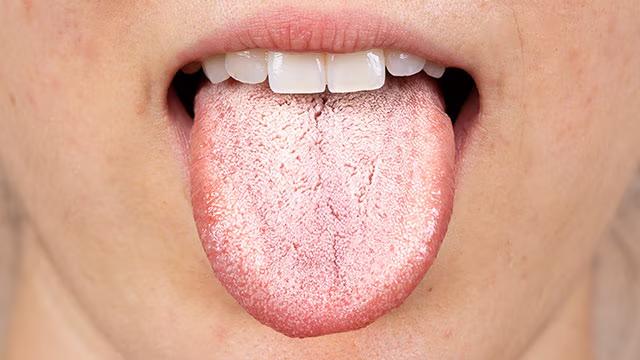
Deficiencies in vitamin B12, folic acid, and iron can cause changes in the oral mucosa — the lining of the mouth including the tongue. Low levels of these nutrients affect cell turnover and the health of the papillae.
A white or pale tongue combined with fatigue, weakness, or pale skin may point toward iron-deficiency anemia or B12 deficiency. Both conditions are diagnosed with a simple blood test.
Supplementing the deficient nutrients under medical guidance typically resolves the tongue changes over several weeks as nutrient levels normalize.
12. Syphilis and Other Infections
Syphilis, a sexually transmitted bacterial infection, can cause white patches or sores in the mouth during its secondary stage. The patches are painless, which makes them easy to overlook or mistake for a hygiene issue.
Oral syphilis is treatable with penicillin but requires diagnosis. If white patches appear alongside other symptoms such as a skin rash on the palms or soles of the feet, flu-like symptoms, or swollen lymph nodes, syphilis should be considered and tested for promptly.
Other bacterial and viral infections can also occasionally produce white tongue as part of a broader illness. If white tongue appears during a fever or systemic illness, it often resolves once the underlying infection clears.
White Tongue by Location — What It Tells You
Where the white coating appears on your tongue is a meaningful clue about what is causing it.
| Location | Most Likely Cause | Urgency |
|---|---|---|
| Entire tongue, soft coating | Poor hygiene, dehydration | Low — improve habits |
| Back of tongue only | Oral thrush, postnasal drip, mouth breathing | Moderate — evaluate if persistent |
| White patches, cannot scrape off | Leukoplakia, oral lichen planus | High — see dentist |
| White with red borders, shifting location | Geographic tongue | Low — benign condition |
| Creamy white deposits, scrape to reveal red tissue | Oral thrush (Candida) | Moderate — needs antifungal |
| White sores or patches, painless | Syphilis, other STI | Urgent — see doctor |
| White with lacy lines or patterns | Oral lichen planus | Moderate — monitor or treat |
| Morning only, resolves after drinking water | Dry mouth, mouth breathing, dehydration | Low — lifestyle adjustment |
Can You Scrape Off the White Coating?
This single test is one of the most useful things you can do at home to understand your white tongue.
If the white coating scrapes off easily with a toothbrush or tongue scraper and leaves pink, healthy-looking tissue underneath — it is almost certainly a benign coating from poor hygiene, dehydration, or bacteria buildup. This type responds well to home care.
If scraping the coating reveals red, raw, or bleeding tissue underneath — this is the hallmark of oral thrush and indicates a Candida infection that needs treatment.
If the white patches cannot be scraped off at all — they are firm and attached to the tissue — this points toward leukoplakia or oral lichen planus, both of which require professional evaluation.
Causes, Severity, and Treatment Reference Table
| Cause | Can It Be Scraped? | Treatment Needed | Medical Visit? |
|---|---|---|---|
| Poor oral hygiene | Yes | Tongue brushing, water | No |
| Dehydration/dry mouth | Yes | Hydration, saliva stimulants | No (unless chronic) |
| Oral thrush (Candida) | Yes — red tissue beneath | Antifungal medication | Yes |
| Leukoplakia | No | Eliminate irritants, possible biopsy | Yes — urgent |
| Oral lichen planus | No | Corticosteroids if severe | Yes |
| Geographic tongue | Partially | No treatment needed | No |
| Smoking-related coating | Partially | Quit smoking, improved hygiene | Dentist check |
| Medication side effect | Yes | Address medication cause | Yes — discuss with doctor |
| Syphilis | No | Penicillin antibiotics | Yes — urgent |
| Vitamin deficiency | Yes | Supplements, diet | Yes — blood test |
| Hairy tongue | Partially | Stop triggering habits | Dentist if persistent |
Home Remedies for White Tongue

For benign causes of white tongue, these at-home strategies are effective and safe to try first.
Tongue scraping.
A dedicated tongue scraper, used daily from back to front, removes significantly more debris than a toothbrush alone. It is the single most effective at-home tool for reducing white coating.
Brush your tongue every time you brush your teeth.
Use the back of your toothbrush or a brush specifically designed for the tongue. Gentle circular and back-to-front motions work well. Do not press so hard that you cause irritation.
Drink more water.
Aim for at least 8 glasses of water daily. Staying hydrated maintains saliva flow, which is the mouth’s natural self-cleaning system. Carry a water bottle and sip regularly throughout the day.
Warm salt water rinse.
Dissolve half a teaspoon of salt in a glass of warm water and rinse for 30 to 60 seconds, twice daily. Salt has natural antibacterial and antiseptic properties and can help reduce oral bacteria counts quickly.
Probiotics.
Eating foods rich in beneficial bacteria — plain yogurt, kefir, kimchi, sauerkraut, and kombucha — helps restore a healthy balance in the oral microbiome. This is particularly helpful if white tongue followed a course of antibiotics.
Oil pulling.
Swishing a tablespoon of coconut or sesame oil in the mouth for 10 to 15 minutes before brushing is a traditional practice that some evidence suggests reduces oral bacteria levels. It is safe to try, though it should not replace standard hygiene.
Reduce alcohol and tobacco.
Both substances dry the mouth and irritate the tongue. Reducing or eliminating them is one of the most effective long-term strategies, particularly for people with recurring white tongue.
Switch to an alcohol-free mouthwash.
Standard antiseptic mouthwashes containing alcohol can dry the mouth and paradoxically worsen coating. Alcohol-free versions that use chlorhexidine, cetylpyridinium chloride, or zinc maintain antibacterial action without the drying effect.
When Is White Tongue Serious? Warning Signs to Watch
Most white tongue cases clear up within two weeks with improved hygiene and hydration. See a doctor or dentist if any of the following apply.
The white coating has lasted more than two to three weeks without improvement. The patches are thick, firm, and cannot be scraped off. There is pain, burning, or a sore sensation on the tongue. Swallowing or chewing has become difficult or painful. The whiteness is accompanied by open sores or ulcers in the mouth. A fever, unexplained weight loss, or skin rash appears at the same time. Hard or raised areas can be felt on the tongue. The white patches are spreading to the cheeks, gums, or throat. You have a weakened immune system, HIV, or are on immunosuppressive treatment.
Any of these signs shifts white tongue from a hygiene concern to a medical issue that needs diagnosis and treatment.
How White Tongue Connects to Overall Health
The tongue is sometimes described as a window into overall health, and this is not just a saying. Research has linked poor oral hygiene — including a coated tongue — to increased risk of cardiovascular disease, as oral bacteria can enter the bloodstream and affect the heart.
A white tongue in the context of a weakened immune system, whether from HIV, diabetes, prolonged illness, or chemotherapy, signals that the body’s defenses are down enough for opportunistic infections like Candida to establish themselves.
Digestive health also plays a role. Some practitioners note that a persistently coated tongue can reflect gut microbiome imbalance, chronic inflammation, or nutritional deficiencies that are rooted in poor absorption rather than poor dietary intake.
The tongue does not exist in isolation — it is connected to your immune system, your nutritional status, your hydration, and your hormonal and metabolic health in ways that make it a genuinely useful health indicator.
How to Prevent White Tongue Long-Term
Prevention is straightforward once you understand the causes. A consistent routine addresses the vast majority of risk factors.
Brush teeth twice daily with fluoride toothpaste. Add tongue brushing or scraping to every brushing session. Floss daily to prevent bacteria from migrating from between teeth to the tongue surface. Drink enough water throughout the day to keep saliva flowing. Attend dental checkups every six months — a dentist can identify early signs of leukoplakia or lichen planus long before they become problematic. Avoid tobacco products entirely. Limit alcohol. Eat a diet rich in fresh fruits and vegetables that support immune function and provide the vitamins and minerals that maintain healthy oral tissue.
Tongue Color and What It Signals — Full Reference
| Tongue Color/Appearance | Possible Meaning | Action |
|---|---|---|
| Pink, moist, small papillae | Healthy | No action needed |
| White coating, soft | Poor hygiene, dehydration | Improve habits |
| White patches, cannot scrape | Leukoplakia, lichen planus | See dentist |
| Creamy white deposits | Oral thrush | Antifungal medication |
| Red with white borders, shifting | Geographic tongue | Monitor, no treatment needed |
| Bright red, swollen | Vitamin B12/iron deficiency, glossitis | Blood test, dietary review |
| Yellow coating | Bacterial overgrowth, liver issue | Improve hygiene, see doctor if persistent |
| Black or dark, hairy appearance | Hairy tongue from antibiotics or smoking | Hygiene, stop triggers |
| Pale, thin appearance | Anemia, nutritional deficiency | Blood test |
Frequently Asked Questions (FAQs)
Why is my tongue white when I wake up in the morning?
Morning white tongue is caused by reduced saliva production during sleep, which allows bacteria and debris to accumulate overnight. It usually clears within minutes of drinking water, eating, or brushing — and is rarely a cause for concern.
Can dehydration cause a white tongue?
Yes. Dehydration reduces saliva flow, and saliva is what continuously cleans the tongue surface. Without enough saliva, bacteria and debris accumulate rapidly and create a white coating. Drinking more water is often the fastest fix.
How do I know if my white tongue is oral thrush?
Oral thrush typically looks like creamy white or cottage cheese-like deposits. The key test is scraping — if scraping the patch reveals red, raw, or bleeding tissue underneath, that strongly suggests Candida infection rather than a simple hygiene coating.
Is white tongue a sign of something serious?
In most cases, no — it is a temporary, benign condition related to hygiene or hydration. However, white patches that cannot be scraped off, last longer than two to three weeks, or come with pain or difficulty swallowing can indicate leukoplakia, lichen planus, or other conditions that need medical evaluation.
Can smoking cause a white tongue?
Yes. Tobacco in all forms — cigarettes, cigars, chewing tobacco, and vaping — irritates the tongue’s surface, dries out the mouth, and promotes bacterial overgrowth. Long-term smokers are also at elevated risk for leukoplakia, which can be precancerous.
How do I get rid of white tongue at home?
Use a tongue scraper daily, brush your tongue every time you brush your teeth, drink at least 8 glasses of water per day, rinse with warm salt water twice daily, avoid tobacco, reduce alcohol, and eat probiotic foods to restore a healthy oral microbiome.
Can antibiotics cause a white tongue?
Yes. Antibiotics kill the beneficial bacteria that keep Candida yeast in check. After a course of antibiotics, many people develop oral thrush — a Candida overgrowth that causes white patches. Eating probiotic foods during and after antibiotic treatment helps reduce this risk.
When should I see a doctor about white tongue?
See a doctor or dentist if the white coating persists for more than two to three weeks, if the patches cannot be scraped off, if there is pain or burning, if swallowing or talking is difficult, or if you have other symptoms like fever, weight loss, or skin rash alongside the white tongue.
Can a vitamin deficiency cause white tongue?
Yes. Deficiencies in vitamin B12, folic acid, and iron can alter the oral mucosa and contribute to white tongue or tongue discoloration. A simple blood test can identify deficiencies, and correcting them through diet or supplementation usually resolves the tongue changes over time.
Is white tongue contagious?
Most causes of white tongue are not contagious. However, oral thrush caused by Candida can be transmitted — for example between a breastfeeding mother and infant. Syphilis-related white patches are also contagious through direct contact. Poor hygiene, geographic tongue, and leukoplakia are not contagious.
Conclusion
Why is my tongue white is almost always a question that has a straightforward answer — and in most cases, a solution that starts at home.
The majority of white tongue cases clear up within days or two weeks of improving hydration, brushing the tongue daily, reducing tobacco and alcohol, and using a tongue scraper.
But the oral signs that do point to something more serious — patches that cannot be scraped off, Candida infections, leukoplakia, or syphilis — require prompt professional attention.
In 2026, routine dental checkups every six months remain the single best tool for catching these conditions early. Your tongue is one of the most reliable health indicators your body has — keep it clean, monitor it, and do not ignore changes that persist.


