


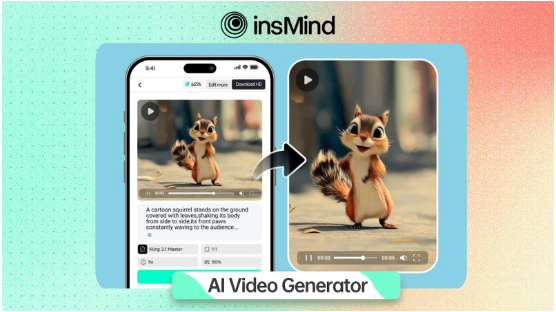
Creating video content used to feel like a complicated and time-consuming task. You needed the right software, some level of editing experience, and often hours of work just to produce something that looked polished. For small businesses, solo creators, and marketers, this made it difficult to keep up with the growing demand for video.
Today, that barrier is quickly disappearing. With tools like the insMind AI Video Generator, it’s now possible to turn simple ideas into fully formed videos in just a few minutes. You don’t need to film anything, and you don’t need advanced editing skills. Instead, you can focus on the concept itself and let AI take care of the rest.
This shift is changing not only how videos are created, but also who gets to create them. More people can now experiment with video, publish consistently, and compete in spaces that were once dominated by professionals.
Part 1: Why Video Has Become Essential for Content
If you look at how people engage online today, it’s clear that video plays a central role. Short-form videos, quick explainers, and visual storytelling are everywhere—from social media feeds to product pages and landing sites.
There are a few reasons for this shift. Video is easier to consume, more engaging, and often more memorable than static images or text alone. It allows creators to show context, movement, and emotion in ways that other formats can’t.
However, while the demand for video has increased, the process of creating it hasn’t always kept up. Traditional workflows still involve filming, editing timelines, adjusting transitions, and exporting multiple versions. For many people, this is simply too much to manage on a regular basis.
AI tools are helping to close this gap. By automating the technical side of video production, they make it easier for creators to focus on storytelling and communication instead of software and processes.
Part 2: Turning Ideas into Videos with AI
When you start with nothing but an idea, getting to a finished video can feel overwhelming. This is where AI video generators become especially useful. Tools like the AI Video Generator simplify the entire process by turning basic inputs into complete video outputs.
Instead of building scenes manually, you can describe your concept or provide a simple prompt. The system then generates a video with structure, motion, and visual coherence already in place. This allows you to skip the most time-consuming parts of traditional editing.
For many users, this opens up new possibilities. You can create:
- Short promotional clips for products or services
- Social media content that follows current trends
- Quick explainer videos or visual summaries
- Story-driven content without needing a production setup
What makes this approach powerful is not just speed, but flexibility. You can test different ideas, adjust your direction, and create multiple versions without investing significant time in each one. This encourages experimentation and helps you find what works faster.
Part 3: Transforming Existing Images into Engaging Videos
Not all content needs to start from scratch. Many creators already have valuable visual assets, such as product photos, real estate images, or travel shots. The challenge is that static images often struggle to capture attention in fast-moving digital environments.
By using tools like Image to Video, these existing assets can be turned into short videos with motion and depth. Even subtle changes, like a slow zoom or a gentle pan, can make a still image feel more dynamic and immersive.
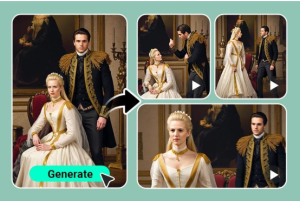
This approach is particularly useful in areas where visuals are already central, such as:
- E-commerce product displays
- Property listings
- Portfolio presentations
- Social media posts
Instead of replacing your existing content, you’re enhancing it. A single image can become a more engaging piece of content without requiring a full redesign or reshoot. This makes it easier to scale content production while maintaining quality.
Part 4: Adding Fun and Trendy Effects to Stand Out
Once your video is ready, the next step isn’t just polishing it—it’s making it more fun and relevant. In today’s content landscape, videos that follow trends or include eye-catching effects are far more likely to get noticed.
Instead of focusing only on making a video look “clean” or “professional,” many creators are now adding playful elements that match what people are already watching online. This could be a dynamic zoom, a stylized transition, or a creative visual twist that makes the content feel fresh and engaging.
With tools like AI Video Effects, you can quickly apply these kinds of enhancements without complicating your workflow. Rather than spending time editing frame by frame, you can experiment with different styles and find what fits your content best.
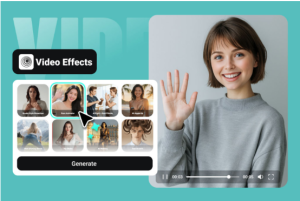
This is especially useful for platforms like TikTok, Instagram Reels, and YouTube Shorts, where trends change quickly and creativity matters more than perfection. A slightly unexpected effect or a fun visual moment can make your video more shareable and help it stand out in crowded feeds.
Ultimately, adding these kinds of effects isn’t about over-editing—it’s about making your content feel alive, current, and aligned with how people consume videos today.
Conclusion
The way we create video content is changing rapidly. What once required technical skills, time, and specialized tools can now be done in a much simpler and more accessible way.
By combining idea-based video generation, image-to-video transformation, and abundant video effects, creators can produce content more efficiently than ever before. Platforms like insMind are helping to make this shift possible, giving users practical tools to turn ideas into videos without unnecessary complexity.
As content continues to evolve, the ability to create quickly and consistently will only become more important. With AI, getting started is no longer the hardest part—it’s just the beginning.

