

The 1965 Jessie Murph music video has sparked one of the most intense controversies in recent country-pop music history. Released on July 18, 2025, this age-restricted visual masterpiece from the Alabama-born singer has divided fans and critics alike.
The video features graphic content that YouTube age-restricted but didn’t remove, leading to widespread debate about artistic boundaries.
Murph’s provocative approach to addressing gender roles and toxic relationships through retro aesthetics has resulted in both praise and severe backlash.
The 20-year-old artist known for hits like “Blue Strips” and “High Road” with Koe Wetzel has certainly made her boldest statement yet with this controversial release.
What Is the 1965 Music Video About?
The Jessie Murph 1965 music video presents a satirical commentary on gender dynamics across different eras. The visual narrative compares married life in the 1960s with modern relationship challenges.
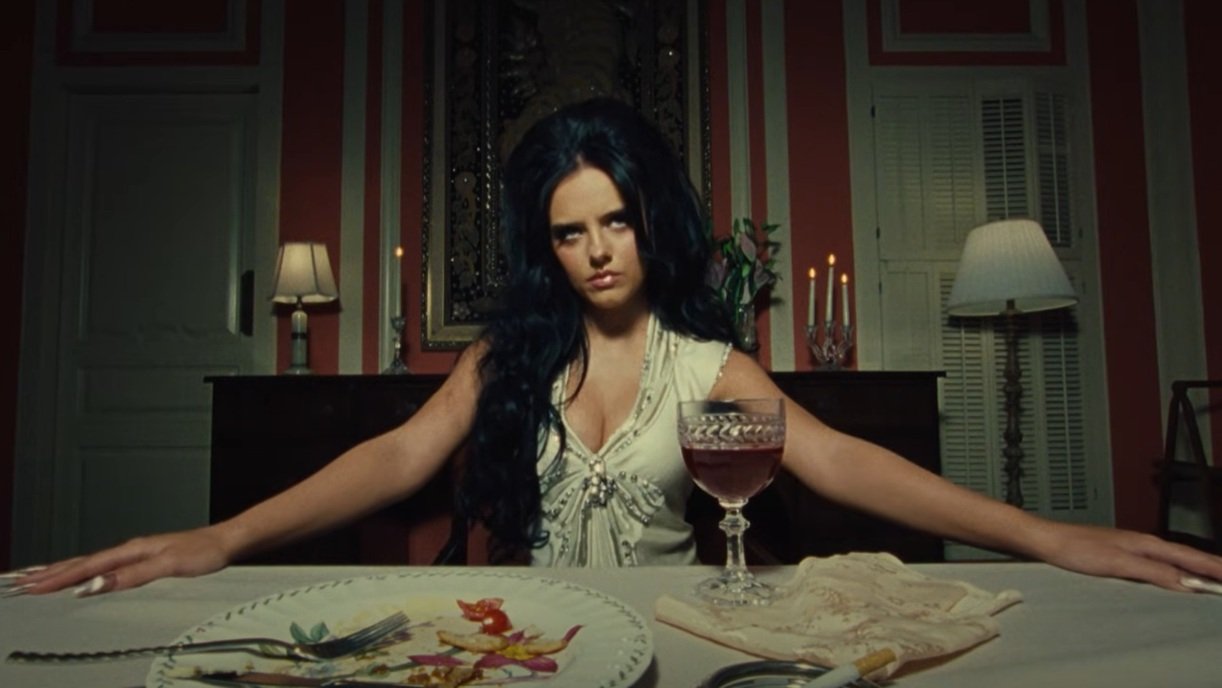
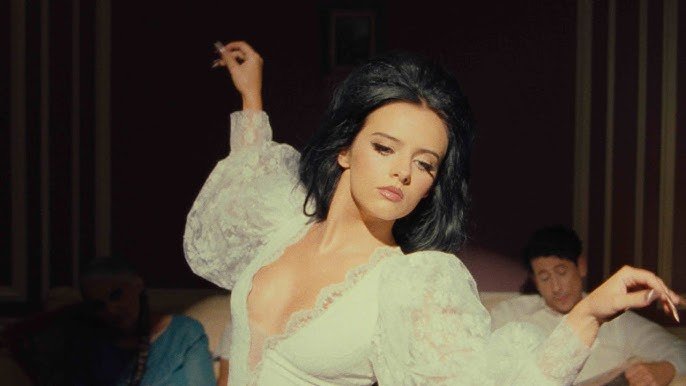
Murph uses retro cinematography with grainy camera footage to create an authentic period aesthetic. The video opens with vintage-style imagery featuring big hair and white dresses reminiscent of Priscilla Presley.
The storyline follows a woman trapped in a seemingly perfect 1965 marriage. Throughout the video, viewers witness the contrast between surface-level perfection and underlying toxicity.
The Controversial Content Explained


The 1965 Jessie Murph music video contains several shocking elements that triggered the massive backlash. The most controversial scene appears at the 1:31 mark featuring explicit sexual content.
YouTube implemented age restrictions but allowed the video to remain on the platform. This decision has puzzled many viewers who question the platform’s content moderation policies.
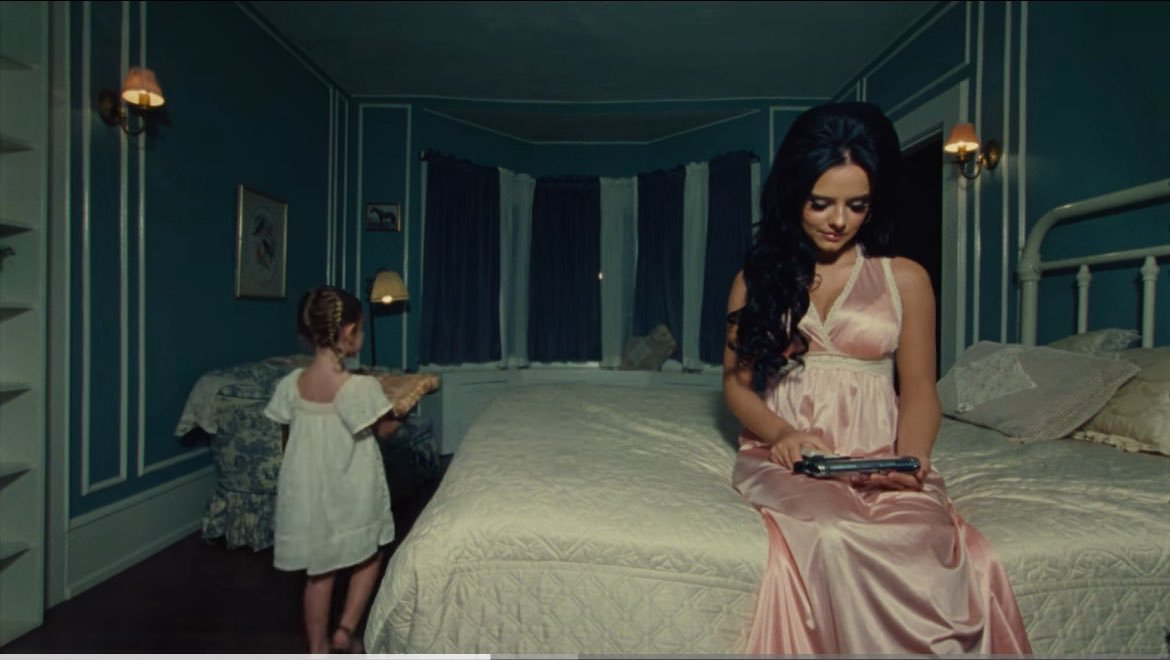
Additional controversial scenes include imagery of Murph tied up in sexually suggestive positions. A particularly disturbing editing choice shows a young girl immediately before an explicit scene.
The video also depicts a woman performing intimate acts under a dinner table. Murph herself appears pointing a gun into a male character’s mouth in another provocative moment.
Understanding the Satire Angle
Jessie Murph defended the 1965 music video by claiming it’s entirely satirical. She posted a TikTok video asking critics, “Are y’all stupid?” to emphasize her artistic intent.
The satire attempts to critique romanticization of past eras through irony. Murph’s goal was showing how both 1965 and 2025 oppress women differently.
However, many fans argue the satire failed to land effectively. Critics claim that without clear satirical markers, the message becomes confusing and potentially harmful.
The timing of Murph’s satire defense raised suspicions among skeptics. Some believe she only claimed satire after facing intense criticism for the controversial content.
Fan Reactions and Social Media Outrage
The reaction to the Jessie Murph 1965 music video has been overwhelmingly negative across platforms. YouTube comments reveal deep discomfort with the video’s explicit nature and artistic choices.
One commenter stated they didn’t expect the video to be so shocking. Another expressed concern about a child appearing just before graphic sexual content.
Twitter users criticized the video for romanticizing domestic violence during a time when women’s rights are actively threatened. The timing seemed particularly tone-deaf to many critics.
TikTok became a battleground for debates about artistic freedom versus social responsibility. Viral reaction videos showed viewers’ shocked expressions when encountering the controversial scenes.
Lyrics Analysis and Their Meaning
The 1965 Jessie Murph lyrics compare relationship dynamics across six decades. The chorus contains the controversial line about giving up rights for 1960s-style love.
Murph sings about potential domestic violence masked by pre-social media privacy. The lyric “I might get a little slap-slap, but you wouldn’t hit me on Snapchat” particularly outraged listeners.
The song references church attendance and traditional gender roles from the 1960s era. Murph contrasts staying home doing “fun things” with modern female independence.
Throughout the track, she uses eleven F-bombs to emphasize raw emotion and frustration. The profanity-laden lyrics match the provocative visual content in intensity.
YouTube’s Response and Platform Policies
YouTube age-restricted the 1965 Jessie Murph music video rather than removing it entirely. This decision sparked debates about content moderation consistency across the platform.
The video cannot be embedded on external websites due to restrictions. Users must have Google accounts and verify their age to view the content.
Many critics questioned why YouTube allows this content when they remove less explicit material. Platform policies prohibit sexual content meant for gratification including nudity and sexual acts.
The age restriction prevents the video from appearing in recommended feeds for younger users. However, critics argue this measure doesn’t go far enough given the content’s nature.
The Sex Hysteria Album Context
The 1965 music video comes from Jessie Murph’s second studio album titled “Sex Hysteria.” The album title itself indicates the provocative themes explored throughout.
“Blue Strips” serves as the most-streamed song from the album with 106 million Spotify plays. This track showcases Murph’s signature blend of country, pop, and trap elements.
Beyond controversy, the album contains deeply personal tracks addressing trauma and grief. “Heroin” uses drug metaphors to describe toxic relationship patterns.
“The Man That Came Back” explores Murph’s relationship with her estranged father. She nearly removed this vulnerable track written at age seventeen.
Comparing to Other Controversial Music Videos

The Jessie Murph 1965 music video stands out as exceptionally controversial in country music history. Few artists have pushed boundaries this far within the genre’s traditional framework.
Some defenders compare the artistic merit to provocative Netflix content and art house films. They argue the same scenes in different contexts wouldn’t generate such outrage.
Critics counter that music videos have different audience expectations than cinema. The accessibility and format create different viewing contexts requiring different standards.
Industry insiders told media outlets that country music circles are particularly shocked. Some compared Murph’s trajectory to controversial hip-hop artists rather than country peers.
Artistic Merit vs. Shock Value Debate
Supporters argue the 1965 Jessie Murph music video represents genuine artistic risk-taking. The cinematography, wardrobe, and direction create a cohesive visual statement.
The retro aesthetic successfully transports viewers to the 1965 era visually. Production quality demonstrates significant investment in creating an authentic period piece.
Critics claim shock value overshadows any legitimate artistic message. They argue that truly effective satire doesn’t require explicit sexual content to make its point.
The debate centers on whether provocative content serves the narrative or distracts from it. Defenders say it challenges convention while detractors call it gratuitous attention-seeking.
Impact on Jessie Murph’s Career Trajectory
The 1965 music video controversy will significantly impact Jessie Murph’s career path. She gained massive attention and sparked conversations across social media platforms.
Whether this publicity proves beneficial or damaging remains uncertain. Murph’s career could soar if audiences embrace her boundary-pushing approach.
Alternatively, the backlash might alienate potential fans and industry partners. Some radio stations and venues may hesitate to support such controversial content.
Murph herself told Teen Vogue she prefers strong reactions over indifference. Her strategy appears to prioritize generating passionate responses regardless of positivity.
The “Blue Strips” Success Foundation
Before the 1965 controversy, Jessie Murph built credibility through successful releases. “Blue Strips” showcased her genre-blending abilities and raw lyrical honesty.
The track features provocative lyrics about strip clubs and relationship dysfunction. However, it avoided the extreme visual content that characterizes the 1965 video.
Her collaboration with Koe Wetzel on “High Road” reached number one on country radio. This mainstream success demonstrated Murph’s commercial viability within the industry.
“Wild Ones” featuring Jelly Roll further expanded her audience across genres. These collaborations established Murph as a rising star before the 1965 controversy.
Gender Roles and Feminism Discussion
The 1965 Jessie Murph music video attempts addressing ongoing gender inequality through comparison. Murph argues society merely traded one form of female oppression for another.
The video suggests 1965 featured physical abuse hidden from public view. Modern times feature emotional abuse broadcast across social media platforms.
Critics argue this comparison trivializes real progress in women’s rights. They point out women in 1965 lacked voting equality and workplace protections.
Defenders claim the satire highlights continued inequality despite superficial progress. The conversation reveals deep divisions in how people perceive feminist messaging.
The Domestic Violence Controversy
Many viewers found the domestic violence references in 1965 particularly troubling. The “slap-slap” lyric seemed to normalize physical abuse through casual language.
Critics argue the line romanticizes intimate partner violence during a serious social issue. Domestic violence advocates expressed concern about the message’s impact on young listeners.
Murph’s defenders claim the lyric critiques rather than celebrates such violence. They interpret it as exposing how abuse was hidden in past eras.
The ambiguity in messaging created confusion about the song’s actual stance. This lack of clarity contributed significantly to the intense backlash.
Misogyny in 2025 Theme Analysis

Jessie Murph intended the 1965 music video to highlight contemporary misogyny. Her artistic vision aimed showing how gender inequality persists in different forms.
The comparison between eras attempts demonstrating continued female oppression. Modern technology changes abuse methods but doesn’t eliminate the underlying problem.
Some critics appreciate this thematic ambition despite execution concerns. They recognize the importance of addressing ongoing gender-based discrimination.
However, many argue the execution undermined the intended message. The graphic content distracted from thoughtful discussion about systemic inequality.
YouTube Comments Analysis
The 1965 Jessie Murph music video comments section reveals widespread disapproval. Thousands of viewers expressed shock and disappointment with the content.
One highly-liked comment questioned how YouTube allowed such explicit material. Another described feeling traumatized by the unexpected graphic content.
Several commenters specifically mentioned concern about the child appearing before sexual scenes. This editing choice generated particularly strong negative reactions.
Some defenders appeared in comments arguing for artistic interpretation freedom. However, these supportive voices were significantly outnumbered by critics.
TikTok Viral Reaction Trend
The 1965 music video sparked a TikTok trend of filming shocked reactions. Users recorded themselves watching the video and captured their genuine surprise.
These reaction videos amplified the controversy by introducing more viewers to the content. The viral trend essentially provided free marketing despite negative sentiment.
Murph herself responded on TikTok with her satire defense video. The platform became the primary battleground for debates about the video’s merit.
Her “Are y’all stupid?” response video generated mixed reactions from TikTok users. Some appreciated her directness while others found it dismissive of legitimate concerns.
The Tonight Show Performance Backlash
Jessie Murph performed 1965 on “The Tonight Show Starring Jimmy Fallon” shortly after release. This mainstream television appearance generated additional controversy beyond the music video.
Critics questioned the appropriateness of platforming such controversial content on network television. Some compared the performance unfavorably to legendary artists like Amy Winehouse.
Comments on the performance video expressed disbelief at the situation. One viewer described it feeling like an SNL parody rather than genuine musical performance.
The television appearance demonstrated how the controversy extended beyond YouTube. Murph’s provocative approach affected her reception across all media platforms.
Comparing to Priscilla Presley Aesthetic
The 1965 Jessie Murph music video draws heavy inspiration from Priscilla Presley’s iconic look. The big hair and retro fashion recreate the 1960s aesthetic effectively.
This aesthetic choice aims evoking nostalgia for an idealized past era. The visual references help establish the satirical comparison between time periods.
However, some critics argue using Priscilla’s image trivializes her actual experiences. Priscilla Presley herself faced challenges in her relationship with Elvis.
The aesthetic succeeds in creating visual authenticity regardless of thematic debates. Production design teams clearly invested significant effort in period accuracy.
Age Restriction Implications
The age restriction on the 1965 Jessie Murph music video limits its potential audience. Younger fans cannot easily access the content without verification.
This restriction potentially reduces streaming numbers and chart performance. However, it also adds forbidden fruit appeal that may increase interest.
The restriction acknowledges the content’s inappropriate nature for minors. Yet critics argue complete removal would be more appropriate than restriction.
YouTube’s decision sets precedent for how platforms handle provocative music videos. Other artists may test similar boundaries based on this outcome.
Marketing Strategy or Genuine Art?
Many observers question whether the 1965 controversy represents calculated marketing or authentic expression. The timing and execution suggest possible strategic planning.
Provocative content guarantees attention and media coverage regardless of quality. Murph’s album title “Sex Hysteria” indicates deliberate controversy courting.
However, supporters argue dismissing it as mere marketing diminishes legitimate artistic intent. The video’s production values suggest serious creative investment.
The truth likely combines both strategic awareness and genuine creative vision. Modern artists must navigate publicity needs alongside artistic goals.
Industry Insider Perspectives

Country music industry insiders expressed shock at the 1965 music video according to reports. Some compared Murph’s approach to artists who deliberately court controversy.
An anonymous insider told media that continued escalation could damage her reputation. They suggested focusing more on artistry than provocation for long-term success.
Radio programmers face difficult decisions about supporting such controversial content. The disconnect between the video and mainstream country values creates challenges.
However, streaming success with “Blue Strips” proves Murph’s commercial viability. Industry professionals must balance moral concerns with business realities.
The Role of Social Media in Amplifying Controversy
Social media platforms dramatically amplified the 1965 Jessie Murph music video controversy. Twitter, TikTok, and Instagram enabled rapid spread of outraged reactions.
The controversy likely wouldn’t have reached such intensity without social amplification. Traditional media picked up the story only after social media buzz.
Reaction content and commentary videos extended the conversation beyond the original video. Each platform’s unique culture shaped how users discussed the controversy.
Murph herself used social media to defend her artistic choices. This direct engagement with critics demonstrates how artists navigate modern controversies.
Comparing 1965 to Modern Dating Critique
The 1965 Jessie Murph song critiques modern dating culture through historical comparison. Murph suggests contemporary relationships lack commitment and sincerity.
The comparison implies something valuable was lost between eras despite progress. This nostalgia for traditional relationships resonates with some listeners.
However, critics point out this nostalgia ignores serious inequalities from 1965. Women lacked basic legal protections and economic independence.
The critique of modern dating apps and social media relationship culture has merit. But using 1965 as the positive comparison point undermines the message.
Mental Health and Relationship Themes
Beyond controversy, the 1965 music video addresses mental health in toxic relationships. Murph’s detached expressions convey emotional numbness from repeated trauma.
The Sex Hysteria album explores these themes more deeply in other tracks. “Heroin” specifically addresses addiction to toxic relationship patterns.
Murph’s vulnerability about her father’s absence adds context to relationship themes. Personal trauma clearly influences her artistic exploration of dysfunction.
These deeper themes get overshadowed by the video’s explicit content. More subtle execution might have highlighted the emotional substance more effectively.
The Alabama Artist’s Rise to Fame
Jessie Murph’s Alabama roots contribute to her unique position in country music. The Huntsville native brings Southern authenticity to her genre-blending sound.
Her rise began with TikTok and YouTube covers that attracted millions. Social media success translated into record deals and industry opportunities.
The journey from covers to controversial original content shows rapid evolution. Murph went from unknown to divisive figure in just a few years.
Her Alabama background creates interesting tension with provocative content. Traditional Southern values clash with her boundary-pushing artistic choices.
Critical Reviews and Media Coverage
Music critics offered divided opinions on the 1965 Jessie Murph music video quality. Some praised the cinematography and artistic ambition despite content concerns.
Taste of Country acknowledged the stunning visual direction and cohesive aesthetic. They recognized the creative risk even while questioning the execution.
Whiskey Riff criticized the video for missing its satirical mark completely. They argued shock value replaced substance and genuine musical quality.
BroBible focused on how the controversy reveals cultural desensitization. The piece questioned whether shocking content even has impact anymore.
The Broader Cultural Conversation
The 1965 controversy sparked important discussions about artistic freedom boundaries. Society continues wrestling with where to draw lines around provocative content.
The debate reflects broader cultural tensions around feminism and gender roles. Different generations and political perspectives interpret the message differently.
Questions about platform responsibility in content moderation remain unresolved. YouTube’s decision to restrict rather than remove highlights these challenges.
The controversy also reveals generational divides in music consumption expectations. Older listeners have different standards than Gen Z audiences.
Future Implications for Country Music
The 1965 Jessie Murph music video may influence country music’s future direction. Younger artists might feel emboldened to push boundaries further.
Alternatively, the backlash could create more conservative industry standards. Labels and platforms may implement stricter content guidelines.
Country music’s identity continues evolving with artists like Murph expanding definitions. The genre increasingly blends with pop, hip-hop, and other styles.
Traditional country fans worry about losing the genre’s core values. This tension between tradition and innovation will continue shaping country music.
Lessons from the Controversy
The 1965 Jessie Murph controversy offers valuable lessons about artistic communication. Clear messaging matters when addressing sensitive social issues through satire.
Artists must consider whether shock value serves or undermines their intended message. Provocative content should enhance rather than distract from thematic depth.
Understanding audience expectations for different platforms and genres proves crucial. What works in art films may not translate to music videos.
Timing matters significantly when releasing controversial social commentary. Current events context can transform how audiences interpret artistic statements.
What Happens Next for Jessie Murph
Jessie Murph’s career trajectory depends on how she navigates this controversy aftermath. Her next releases will determine whether this proves career-defining or career-damaging.
She could double down on provocative content and cultivate a niche audience. This approach builds on the “any publicity is good publicity” principle.
Alternatively, she might pivot toward more accessible content maintaining artistic edge. Finding balance between authenticity and commercial viability will be key.
The music industry will watch closely to see if controversy translates to sustained success. Streaming numbers and concert attendance will reveal the true impact.
The Sex Hysteria Album’s Other Tracks
While 1965 dominates discussion, the Sex Hysteria album contains other notable tracks. “Blue Strips” achieved mainstream success with its provocative strip club narrative.
“Heroin” offers deeply personal exploration of relationship addiction without visual controversy. The track demonstrates Murph’s ability to provoke through lyrics alone.
“The Man That Came Back” showcases vulnerable storytelling about family trauma. This emotional honesty gets overshadowed by the 1965 controversy.
The album’s range shows Murph possesses genuine artistic talent beyond shock value. Her songwriting skills deserve recognition separate from controversial visuals.
Understanding Gen Z Artist Perspectives
Jessie Murph represents a generation of artists with different boundaries than predecessors. Gen Z creators grew up with internet access to all content types.
This exposure creates different standards for what constitutes shocking or provocative. What outrages older generations may seem normal to younger audiences.
Gen Z artists often prioritize authenticity and raw honesty over polish. Murph’s unfiltered approach reflects these generational values and expectations.
However, even within Gen Z, the 1965 video generated significant criticism. Controversy transcended generational divides revealing universal concerns about certain content.
The Role of Streaming Platforms
Streaming platforms like Spotify and Apple Music face challenges with controversial content. They must balance artistic freedom with community standards and advertiser concerns.
The 1965 track performs differently on audio-only platforms without visual controversy. Listeners encounter the lyrics without the shocking imagery context.
This separation allows people to engage with the music on different terms. Some appreciate the song while rejecting the video’s execution.
Platform algorithms promote controversial content due to engagement metrics. The controversy itself generates streams and attention regardless of sentiment.
Fan Loyalty vs. New Audience Growth
Existing Jessie Murph fans face difficult decisions about supporting the 1965 video. Some defend her artistic freedom while others express disappointment.
The controversy may attract new fans who appreciate boundary-pushing content. Provocative artists often cultivate dedicated followings despite mainstream rejection.
However, potential fans who discover Murph through controversy might be discouraged. First impressions matter significantly in building sustainable careers.
Balancing loyal fanbase expectations with new audience expansion proves challenging. Artists must decide whether to serve existing fans or pursue growth.
The Question of Artistic Integrity
Critics question whether the 1965 Jessie Murph music video represents genuine artistic vision. The line between provocateur and artist becomes blurred.
Artistic integrity requires content serving deeper meaning beyond attention-seeking. Murph argues her satire addresses real social issues.
Skeptics counter that truly confident artists don’t need extreme shock value. They believe quality content should speak for itself without controversy.
Defenders point to controversial artists throughout history who faced similar criticism. Many provocative works eventually gained recognition as important art.
Media Literacy and Critical Viewing
The 1965 controversy highlights the importance of media literacy skills. Viewers must critically analyze content rather than accepting surface messages.
Understanding satire requires recognizing contextual clues and artistic intent. However, artists bear responsibility for making satire sufficiently clear.
The video raises questions about consent and ethics in artistic representation. These discussions contribute to broader media literacy conversations.
Educators might use this controversy as a teaching tool about interpretation. The debate offers real-world examples of how audiences read texts differently.
The Power of Viral Controversy
The 1965 Jessie Murph music video demonstrates viral controversy’s marketing power. Millions of people watched specifically because of outraged reactions.
Negative publicity still generates views, streams, and conversation. Artists increasingly recognize controversy’s value in crowded entertainment markets.
However, viral moments don’t guarantee sustainable careers or artistic respect. The challenge lies in converting attention into lasting success.
Murph’s ability to capitalize on this moment will determine its ultimate value. Controversy creates opportunity but doesn’t guarantee positive outcomes.
Frequently Asked Questions (FAQs)
What is the 1965 Jessie Murph music video about?
The video satirically compares gender dynamics in 1965 with modern relationships, using retro aesthetics and controversial imagery to critique ongoing misogyny across different eras.
Why is the 1965 music video age-restricted on YouTube?
YouTube age-restricted the video due to explicit sexual content appearing at the 1:31 mark, though the platform chose not to remove it entirely despite policy concerns.
Did Jessie Murph apologize for the controversial video?
No, Murph defended the video claiming it’s satire and posted a TikTok asking critics “Are y’all stupid?” rather than issuing any apology for the content.
What are the most controversial lyrics in 1965?
The line “I might get a little slap-slap, but you wouldn’t hit me on Snapchat” drew intense criticism for appearing to trivialize domestic violence.
How did fans react to the 1965 music video?
Fan reaction was overwhelmingly negative, with thousands expressing shock, discomfort, and anger over the graphic content and perceived romanticization of oppressive eras.
Is the 1965 music video available on all platforms?
The video is age-restricted on YouTube and cannot be embedded externally, requiring account verification to view the full content.
What album is 1965 from?
The song comes from Jessie Murph’s second studio album titled “Sex Hysteria,” released in 2025 with multiple provocative tracks.
Has the controversy helped or hurt Jessie Murph’s career?
The long-term impact remains uncertain, though the controversy generated millions of views and extensive media coverage, both positive and negative.
What did industry insiders say about the video?
Anonymous country music insiders expressed shock and concern, with some comparing Murph’s trajectory to controversial artists who prioritize shock over substance.
Will Jessie Murph release more controversial content?
Based on her unapologetic response and album themes, she appears committed to boundary-pushing content, though future direction remains to be seen.
Conclusion
The 1965 Jessie Murph music video represents a watershed moment in contemporary country-pop music, sparking fierce debates about artistic boundaries, feminist messaging, and the role of shock value in modern entertainment.
While Murph’s defenders praise her bold artistic vision and satirical intent, critics argue the graphic content crosses ethical lines and undermines any legitimate social commentary.
The controversy has exposed deep cultural divisions about women’s rights, domestic violence representation, and the responsibility platforms like YouTube bear in content moderation.
Whether this proves career-defining or career-damaging remains uncertain, but Murph has undeniably succeeded in generating passionate reactions rather than indifference.